

More than Just a Day: Motherhood & Mental Health
As Mother’s Day approaches, beautiful floral bouquets, expressive greeting cards and breakfast-in-bed tributes will be given in celebration of women who nurture, lead and sacrifice all year round.
Yet, behind pastel-wrapped gifts and smiling brunch photos, countless mothers quietly wrestle with mental health struggles shaped by the constant and evolving demands of motherhood.
From postpartum depression at the earliest stages of the journey, to identity shifts that come with an empty nest, the relationship between mental health and motherhood is complex, dynamic and deeply personal. It deserves more than just one day of recognition – it calls for year-round support, understanding and care.
Carrying an Invisible Weight
“Motherhood is like carrying the weight of someone else’s world, every single day,” says Dr. Marsha Black, a licensed clinical psychologist specializing in maternal mental health. “That weight changes over time, but it never goes away. If mothers aren’t given the space or tools to care for their mental health, that weight can turn into chronic anxiety, depression or burnout.”

Data from the Centers for Disease Control and Prevention show that one in eight women experience symptoms of postpartum depression, with many others reporting elevated anxiety levels throughout different stages of raising children. The National Alliance on Mental Illness (NAMI) also reports that women are nearly twice as likely as men to experience depression, with motherhood being a major life factor influencing that risk.

Though depression affects women from all walks of life, studies suggest that Black and Hispanic women tend to report more depressive symptoms, such as fatigue, insomnia and irritability. In a study published by the National Institutes of Health (NIH), Black women are identified as a group that is “positioned to have the worst health due to the sum of disadvantages summing from being a racial/ethnic minority and from being a woman.”
Historically, stigma, discrimination and even forced sterilization have impacted people experiencing mental health concerns – particularly those from marginalized groups. Today, despite there being more safeguards and support for the millions of people who experience depression each year, the unique journey of motherhood warrants additional considerations.
Mothers are often expected to embody strength, patience and grace without visible cracks. “The ‘supermom’ myth is toxic,” said Tonya Brooks, a Denver-based mother of two school-age children. “It makes you feel like if you’re struggling, you’re failing; and that couldn’t be further from the truth.”
Postpartum: A Critical Threshold
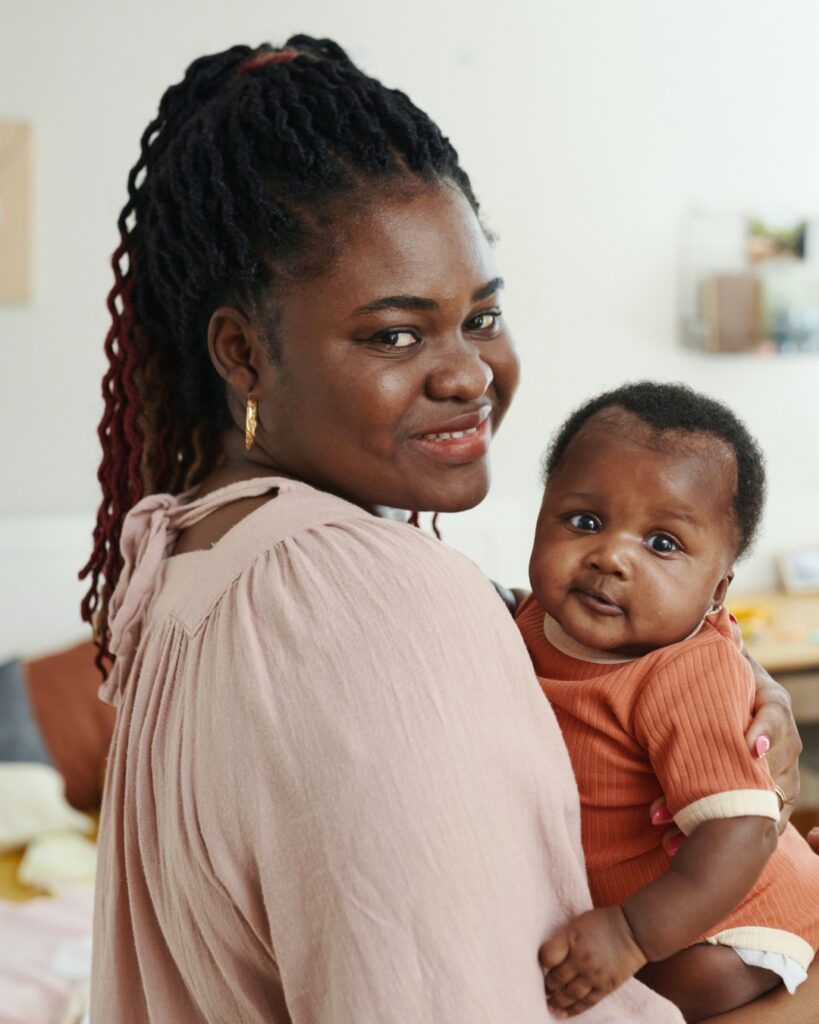
The postpartum period is one of the most vulnerable times for a mother’s mental health. In addition to the physical recovery from childbirth, new mothers face hormonal shifts, sleep deprivation and often, feelings of isolation.
“I remember crying every night at 2 a.m., not because I wasn’t grateful, but because I felt so overwhelmed,” says LaTasha Jenkins, a first-time mom from Aurora. “I didn’t realize I was experiencing postpartum anxiety until my sister encouraged me to talk to a counselor.”
Jenkins is not alone. Postpartum anxiety is less discussed than postpartum depression but equally impactful. Symptoms may include racing thoughts, constant worry about the baby’s safety and physical signs such as nausea and rapid heartbeat.
According to the Policy Center for Maternal Mental Health, “50 to 70% of maternal mental health disorders go undiagnosed, and 75% of those diagnosed go untreated.” Postpartum Support International (PSI) recommends universal screening for prenatal or postpartum mood disorders using evidence-based tools like the Edinburgh Postnatal Depression Screen (EPDS), but to date, only a few states – New Jersey, West Virginia, Massachusetts, California, Arkansas and Illinois – require maternal mental health screening.
In addition to combating maternal mental health challenges by incorporating early screening, mental health professionals and advocates encourage peer support, professional therapy, lifestyle adjustments and even medication as preventative and treatment approaches during the first year of motherhood.
Toddlers to Tweens: Chaos and Comparison
As children grow, the demands on mothers shift from physical to emotional. Parenting toddlers and young children often involves balancing work and family life, managing tantrums, supporting educational pathways and navigating the pressures of modern parenting.
“There’s this invisible competition – whose child is reading early? Who’s doing soccer and piano? Who’s eating organic everything?” says Angela Ramirez, a mother of three in Colorado Springs. “You start comparing yourself, and that comparison eats away at your peace.”
Social media amplifies this pressure, creating curated snapshots of motherhood that feel impossible to live up to. Mental health professionals urge mothers to set boundaries online, engage in real-world support systems and practice self-compassion.
For Alexandra Morse, alternative approaches to education created more time for her family to connect and alleviated pressure. “I didn’t know anything about homeschooling, but when the pandemic forced everything to shut down, we had to make adjustments for my son, who was in fourth grade at the time. I found a great umbrella school and learned a lot from homeschool co-ops for Black mothers, and after the pandemic, we kept going!” she says, pointing out that it was nearly impossible to maintain a full schedule before the new nontraditional route. Her son, now in high school, happily participates in sports, church and other extracurricular activities, and their family is thriving.
“One of the best things a mother can do for her mental health during this phase is to redefine success,” says Dr. Black. “Success is not perfection. It’s presence, resilience and love.”
Teen Years: Emotional Rollercoasters
Parenting teenagers brings its own unique challenges. As adolescents assert their independence, mothers often experience increased conflict, communication breakdowns and a profound shift in their role as caregivers.
“Suddenly, you’re not the center of their universe anymore,” says Brooke Hightower, a mother of two teenagers in Boulder. “It can feel like you’re grieving the little child who used to run into your arms.”
The transition can lead to feelings of rejection, loneliness and even a re-emergence of anxiety or depression, particularly in single mothers or those lacking community support.
Dr. Black advises maintaining open lines of communication, seeking therapy when needed and finding joy outside of the parenting role. “Your identity is more than being a mom,” she says. “Nurture yourself as you nurture others.”

As the mother-child relationship develops, activities like sharing meals together and intentionally creating time for togetherness can help strengthen bonds and support the mental health of both the mother and the growing child. Both parties benefit from trust, listening and expressions of love.
The Empty Nest: Rediscovery and Resilience
The transition to an empty nest is bittersweet when young adults leave home to attend college or continue their journeys alone. While some mothers find a renewed sense of freedom and purpose, others may struggle with a loss of identity or increased anxiety.
“I thought I’d feel relieved when my last child moved out,” says Karen Williams, a retired teacher and mother of four. “Instead, I felt untethered. Who was I without someone depending on me?”
Empty nest syndrome is a recognized emotional experience that can lead to depression, particularly if compounded by marital changes, retirement or health issues.
Mental health experts recommend proactive planning for this life stage, including taking up new hobbies, reconnecting with partners and friends and considering therapy to process the transition. For mothers whose entire lives revolved around motherhood, the startling change can be hard to adapt to, requiring time and extra nurturing.
Self-Care is Not Selfish
Across all stages of motherhood, one constant remains: mothers need care, too. Though, too often, self-care is framed as indulgent rather than essential.
“Mothers pour from their cup every day,” says Dr. Black. “If that cup is empty, everyone suffers – including the children.”
Simple self-care routines, such as 10 minutes of mindfulness, regular physical activity or creative hobbies, can significantly improve mental well-being. Building a system of support through friends, partners and professional counselors can help mothers prioritize mental health.
Additional tips for protecting maternal mental health include:
- Set boundaries: Learn to say no to tasks that overwhelm you.
- Create connection: Seek out mom groups, faith communities or support circles.
- Move your body: Even light exercise can boost endorphins and reduce stress.
- Protect sleep: Prioritize rest and ask for nighttime support when needed.
- Celebrate small wins: Progress, not perfection, is the goal.
A Mother’s Mental Health is a Community Concern
The mental health of mothers is a societal issue that affects every aspect of a community. If left untreated during pregnancy, maternal mental health can result in preterm birth, low birth rates, infant mortality or poor outcomes for the mothers themselves. Moreover, mental health concerns can impact their ability to provide adequate care and financial stability while altering the overall family environment and creating multigenerational complications.
When mothers thrive, families and communities do, too.
This Mother’s Day, as the women who shape generations are honored and praised, celebrations should extend beyond gifts and gratitude. By committing to listening more, judging less and building systems that support maternal mental well-being, mothers can find strength and empowerment at every stage of motherhood.
Behind every strong mother is a story of strength, with a kaleidoscope of experiences that define her journey; but strength is not measured by how much mothers can endure in silence. Caring for societal matriarchs can heal families and shape a more compassionate world for the generations they raise.
Let’s not wait another year to show them that their well-being matters.
Editor’s note: If you or a mother you know is struggling with mental health, call or text the Maternal Mental Health Hotline at 1-833-TLC-MAMA for free, confidential support 24/7.
