
On World AIDS Day, Denver Renews a Legacy of Remembrance and Resolve
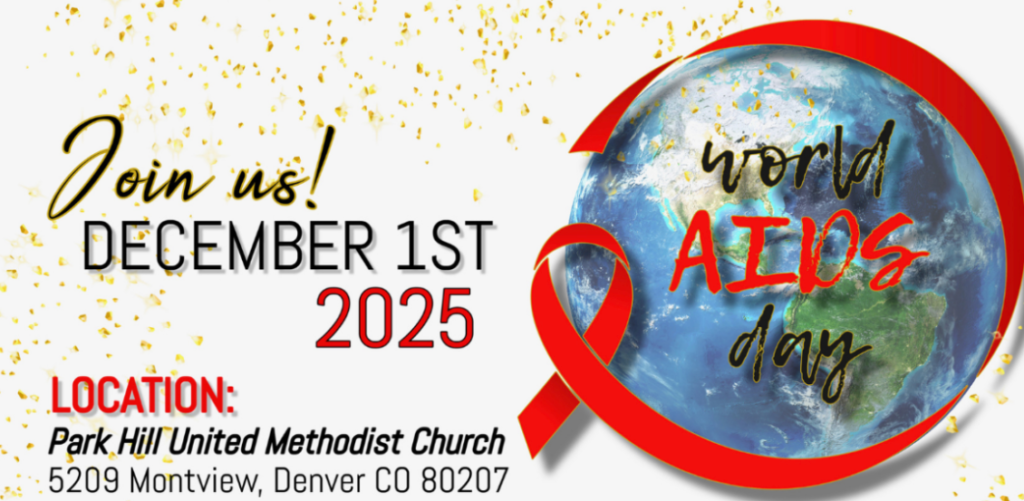
Each year on Dec. 1, communities around the world pause to honor the lives changed – and lives lost – to Human Immunodeficiency Virus (HIV) and Acquired Immunodeficiency Syndrome (AIDS). In Denver, that moment of reflection will take place at Park Hill United Methodist Church (UMC), where residents, advocates and faith leaders will mark World AIDS Day with a memorial candlelight walk, music, cultural performance and shared calls for unity.
Now in its 10th year at Park Hill UMC, the event has become a cornerstone of Colorado’s HIV-advocacy community. It represents a moment of remembrance and a reminder of the urgent work still ahead.
A Recent Crisis
World AIDS Day was first recognized in 1988, at a time when fear overshadowed understanding and stigma often overshadowed science.
HIV is a virus that attacks the body’s immune system – specifically the CD4 cells (T cells) that help fight infection. If left untreated, the virus gradually weakens the immune system, making it harder for the body to defend itself against diseases.

AIDS is the most advanced stage of HIV infection. It is diagnosed when the immune system becomes severely damaged, and is marked by a very low CD4 count or the presence of infections and cancers that the body would normally be able to fight.
HIV was first recognized in 1981, when the U.S. Centers for Disease Control and Prevention (CDC) reported unusual, rare illnesses in Los Angeles, San Francisco and New York. These early cases signaled a severe breakdown of the immune system, but the cause was not discovered until 1983.
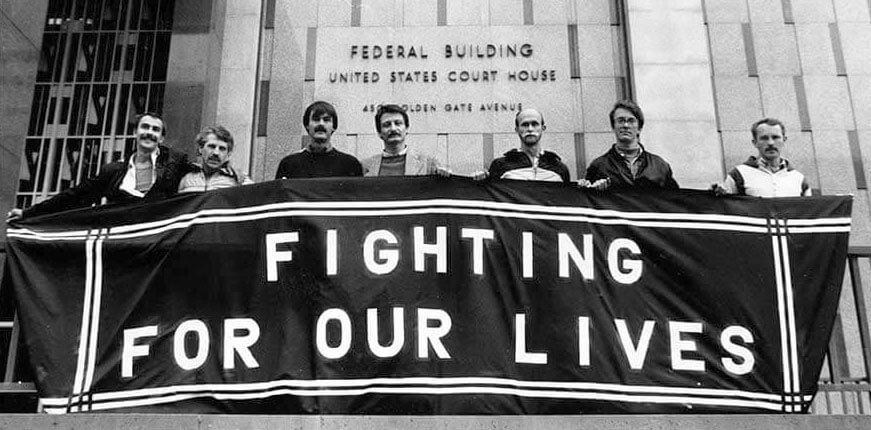
Researchers identified a novel virus in a patient with AIDS-like symptoms. After years of studying the virus, it was officially named HIV by the International Committee on Taxonomy of Viruses. Scientists now know that HIV originated earlier than the 1980s and circulated quietly for decades before the global epidemic emerged.
By the time World AIDS Day was established, HIV had already taken more than 50,000 lives in the United States alone.
Globally, by the end of the 1980s, an estimated 400,000 people had died of AIDS-related illnesses, and more than 5 million were living with HIV. Treatment options were limited and financially inaccessible to many. For countless families, a diagnosis was a death sentence.
The creation of World AIDS Day became the first international public-health observance of its kind. It was created to confront discrimination, elevate public awareness and encourage coordinated global action. It also offered a space to grieve, remember and humanize a crisis that was politically and socially inflamed.
Making Progress
Since the beginning of the epidemic, in 1981, over 91 million people have been infected with HIV, with over 44 million succumbing to HIV-related causes. More than three decades later, attitudes toward HIV and AIDS have changed, but the need for remembrance and action has not.
Today, roughly 40 million people around the world are living with HIV, according to the World Health Organization (WHO). Global AIDS-related deaths have fallen dramatically, from a peak of 2 million in 2004 to about 630,000 deaths annually.
Antiretroviral therapy has transformed HIV into a manageable lifelong condition, allowing people to live longer.
PrEP, or Pre-Exposure Prophylaxis, is a highly effective medication that prevents HIV in people who are HIV-negative but at higher risk of exposure. When taken as prescribed, the medication works by building protective levels of antiretroviral medicine in the bloodstream, which stops the virus from establishing infection if a person is exposed.
Yet, access remains uneven: nearly 9.2 million people worldwide still do not have treatment at all. In the United States, more than 1.2 million adults live with HIV, and approximately 13 percent remain unaware of their status.
In 2024, a collapse in funding triggered a crisis in the global AIDS response, with 1.3 million new infections resulting from gaps in HIV prevention.
A Day to Remember
The progress made in the last decade is evidence of why World AIDS Day is important. The day serves as a celebration of how far science has advanced and a warning that continued funding, support and awareness is necessary for continued momentum.
Denver’s commemoration this year adds to a growing show of strength and solidarity.
“The gathering has provided a meaningful space to honor the lives we have lost and to celebrate all who are living with HIV in our community and around the world,” shares Jess Wiederholdt, Founder and Executive Director of Crazy Love Africa, one of the sponsors of the event.
Monday’s gathering begins with a memorial candlelight walk at 6 p.m., where participants will honor loved ones lost to HIV and AIDS-related illnesses. Families and community members have been invited to submit names and photos, which will become part of a permanent memorial banner carried annually.
At 6:30 p.m., the evening’s program will feature performances from the World AIDS Day Ensemble under the direction of Dary J. Walker of Park Hill UMC and Jerome Síbulo of Trinity United Methodist Church. Grupo Huitzilopochtli will offer a traditional Aztec dance and land acknowledgment, grounding the gathering in Indigenous tradition and community presence.
Barb Cardell, a Colorado leader in HIV advocacy and the training director of the national Positive Women’s Network, will give the keynote address.
Cardell, who also serves on the statewide Colorado Alliance for HIV Care, Prevention and Treatment, represents a community of women whose leadership and lived experience remain central to the movement for equitable HIV care.
“The community is really coming together to make this year’s World AIDS Day observance a meaningful celebration,” shares Justin Levy, Executive Director of the Center for Health and Hope, a sponsor of the event. “I’m proud that so many of our community organizations and congregations are coming together in this time when we need collaboration more than ever.”
After the program, attendees may visit a resource fair featuring local organizations working in HIV services, community health, LGBTQ+ advocacy and related support networks.
Sponsors range from major healthcare providers and advocacy groups to faith communities, cultural organizations and small businesses, demonstrating the shared responsibility required to sustain public-health progress.
Coalition for Change
Ending the HIV epidemic is a social, cultural and economic project, instead of just a medical task.
It will require addressing stigma, expanding education, supporting prevention and ensuring accessible and affordable care for all communities – particularly those disproportionately affected, including LGBTQ+ people, women of color, low-income residents and immigrants.
Nationally, public-health officials continue to warn that progress is fragile. Reduced global funding and gaps in PrEP access contributes to rising infections in marginalized communities and misinformation.
HIV.gov echoed that message in remarks included in the event’s announcement, calling for “renewed commitment to united action” and reminding the public that government efforts succeed only when done “collaboratively with communities most affected.”
Denver’s World AIDS Day event is community-built, community-led and rooted in care. It serves as an example of what it looks like when institutions, nonprofits, cultural groups and individuals come together with shared purpose.
A New Day
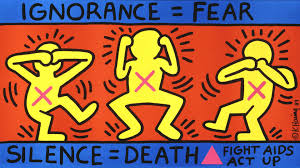
In the early days of the epidemic, silence and stigma were as deadly as the virus itself. The actions taken by courageous activists forced governments and healthcare systems to act in the interest of prevention. Their legacy is reflected every time a person living with HIV accesses lifesaving medication.
As Denver prepares to walk, sing, mourn and celebrate together, the message remains clear that the fight against HIV is not over.
On World AIDS Day, Park Hill UMC joins communities around the world in honoring the past while recommitting to a future powered by science, solidarity and care.
Editor’s note: Individuals interested in attending the Memorial Candlelight Walk and Program can register HERE.

