
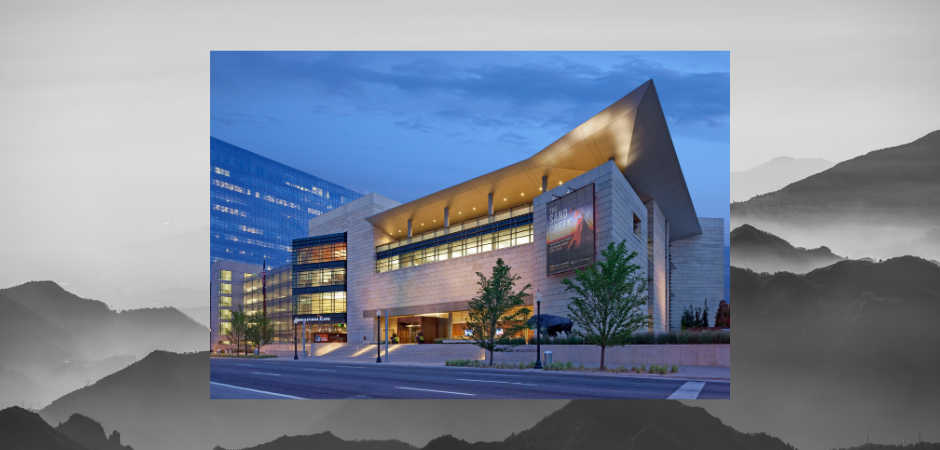
Colorado History Museum Reclaims Historic Name After 14 Years
History Colorado restores a familiar name to its flagship Denver museum, emphasizing accessibility and a clearer distinction between the museum and its statewide organization.
The History Colorado Center in downtown Denver has officially returned to the name Colorado History Museum, restoring a designation associated with the state’s flagship history institution for more than two decades.
History Colorado announced the change on Oct. 15, ending 14 years under the History Colorado Center name and establishing a clearer identity for the museum at 1200 Broadway.
The decision reflects an effort to make the institution more immediately recognizable to residents and visitors, while maintaining the broader organizational identity of History Colorado, which oversees museums, historic sites and preservation initiatives across the state.
The Colorado History Museum name dates to 1987 and remained in use until 2012, when the current facility opened under the History Colorado Center designation. Its restoration reconnects the institution with a familiar part of its history while reinforcing its primary function as a public museum.

Dawn DiPrince, president and CEO of History Colorado and Colorado’s state historic preservation officer, emphasized the importance of making cultural institutions approachable.
“Colorado History Museum is wonderfully straightforward. Clarity builds bridges and creates access, which are bedrocks of our organizational values,” DiPrince said in a statement announcing the change.
A clearer distinction between museum and organization
The renaming applies exclusively to the museum in Denver and does not change the name, governance or responsibilities of History Colorado.
The statewide organization operates 11 museums and historic sites and maintains extensive responsibilities involving historical collections, research, archaeology, preservation, educational programming and community partnerships.
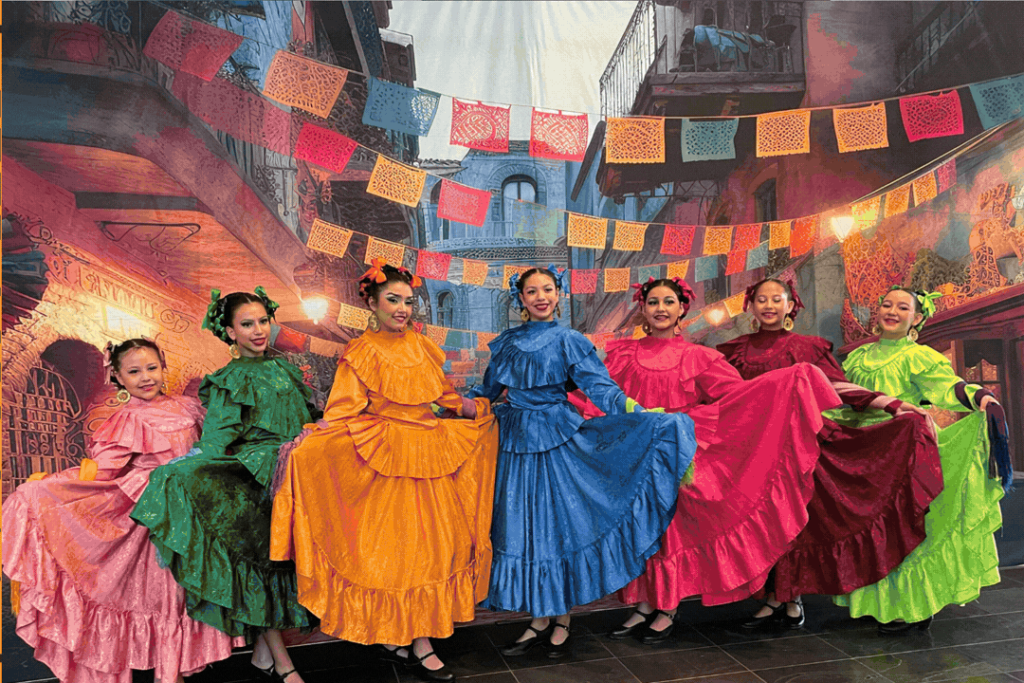
Its work extends beyond exhibitions and visitor experiences available at the Broadway location, supporting the documentation and preservation of Colorado’s historical and cultural resources across geographic regions and generations.
Separating the museum’s public-facing identity from the name of its parent organization offers a clearer explanation of those respective roles.
The distinction also recognizes the different ways people interact with History Colorado, whether through a museum visit, historical research, educational programming or community preservation efforts.
Preserving history while expanding public engagement
The announcement comes as Colorado recently approached the 150th anniversary of statehood on Aug. 1 2026, a milestone that has generated renewed public attention to the state’s history and the communities whose experiences have shaped it.
Colorado’s historical record precedes its statehood, encompassing centuries of Indigenous history, migration, cultural exchange, economic development and social change. Public institutions responsible for preserving that record play a consequential role in determining how residents understand the state’s development and their own place within it.
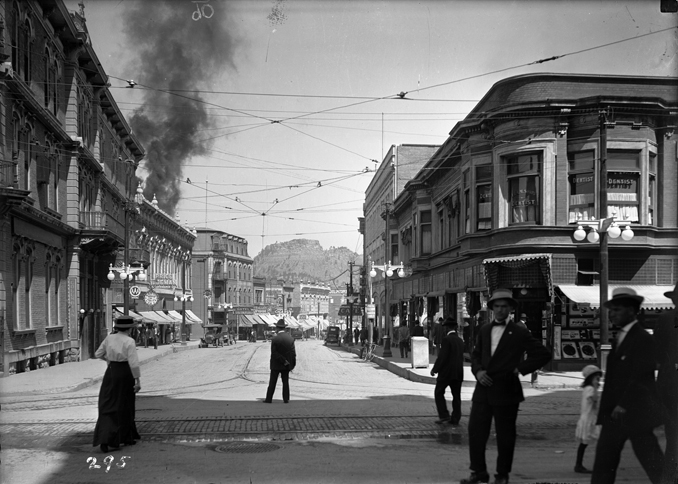
Museums contribute to that understanding through their collections, exhibitions, educational resources and partnerships with communities whose histories may not be fully represented in conventional narratives.
Kelly Brough, chair of the History Colorado Board of Directors, emphasized the value of those connections.
“Museums create spaces where people can connect with one another, encounter different perspectives and better understand the communities around them,” Brough said.
The statement reflects an important dimension of contemporary museum practice: preserving historical materials is only one part of the institution’s public responsibility. Making those materials accessible, providing historical context and supporting opportunities for learning are equally essential to meaningful public engagement.
For History Colorado, the restored name communicates that purpose more explicitly while retaining the institution’s established statewide presence.
An established institution with a renewed identity
Although the change restores a historic name, History Colorado has emphasized that it does not constitute a broader organizational rebranding.
The museum’s exhibitions, programming and educational offerings remain central to its operations. The announcement does not establish a new institutional mission or indicate changes to its statewide network, but places greater emphasis on the museum’s identity as a destination for exploring Colorado’s history.
The broader measure of accessibility will continue to depend on the institution’s ability to reach diverse audiences, support historical inquiry and represent the experiences of communities throughout the state.
The return to the Colorado History Museum name reinforces the institution’s longstanding role in preserving and interpreting the state’s history while providing opportunities for new generations to engage with the people, places and experiences that continue to shape Colorado.
Editor’s note: The Colorado History Museum is located at 1200 Broadway in Denver and is open daily from 10 a.m. to 5 p.m. Admission is free for visitors ages 18 and younger. Learn more at
