
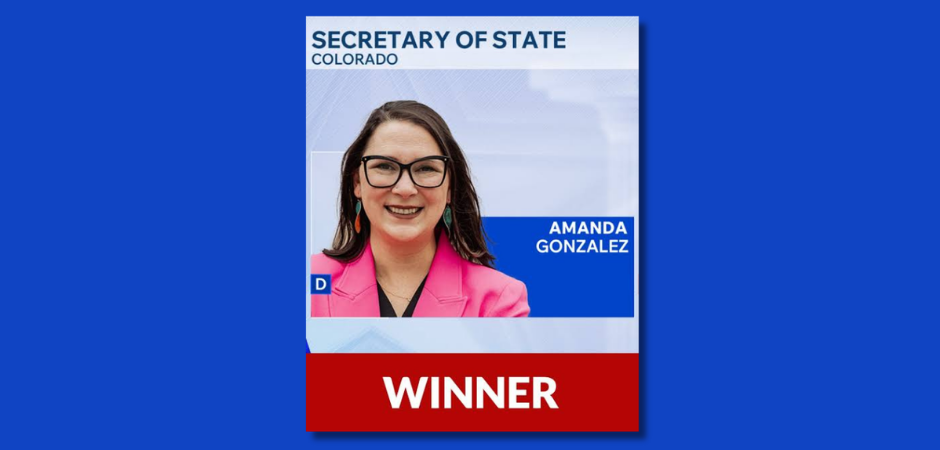
Amanda Gonzalez Makes Colorado History, Becoming First Latina and Openly LGBTQ Secretary of State
The Jefferson County clerk’s historic victory reflects generations of women who challenged political barriers, the strength of grassroots organizing and a consequential choice about the future of Colorado’s elections.
Colorado voters made history Nov. 3, electing Amanda Gonzalez as the state’s first Latina and first openly LGBTQ secretary of state. Her victory marks a significant milestone in Colorado politics, placing a woman whose career has been defined by voting rights advocacy and election administration at the helm of one of the state’s most consequential public offices.
The Democrat and current Jefferson County clerk and recorder defeated Republican James Wiley in a decisive statewide contest. Early unofficial results showed Gonzalez receiving approximately 61% of the vote, compared with 37% for Wiley, extending the momentum of a campaign that had already defied political expectations during the June primary.
For Gonzalez, the significance of the victory extends beyond her own election. It reflects the contributions of generations of women, particularly Latinas, who challenged exclusion, established community networks and created opportunities for future leaders to participate in public life.
Surrounded by family, supporters and the women she calls her Madrinas, Gonzalez used her election night celebration to recognize those whose determination helped make her candidacy possible.

“Before I could stand here tonight, they had to stand in rooms where nobody expected them,” Gonzalez said. “They had to fight for seats at tables that weren’t built for them.”
Her remarks placed the evening’s celebration within a much longer history of women demanding representation in institutions that have not always reflected the communities they serve.
A Grassroots Campaign That Defied Expectations
Gonzalez’s path to statewide office was unconventional, particularly in a political landscape where fundraising, institutional support and established networks can strongly influence a candidate’s prospects.
According to her campaign, the operation began around a kitchen table and was frequently managed from her car. Volunteers, personal relationships and community organizing became defining features of an effort that lacked the financial advantages often associated with competitive statewide campaigns.
In June, Gonzalez defeated state Sen. Jessie Danielson in the Democratic primary, winning approximately 63% of the vote despite being significantly outspent, according to her campaign. The result positioned her as her party’s nominee and demonstrated the potential of an organizing strategy built around personal engagement and a clear message.
Her general election victory reinforced that success, giving Gonzalez a statewide mandate to lead Colorado’s elections office.
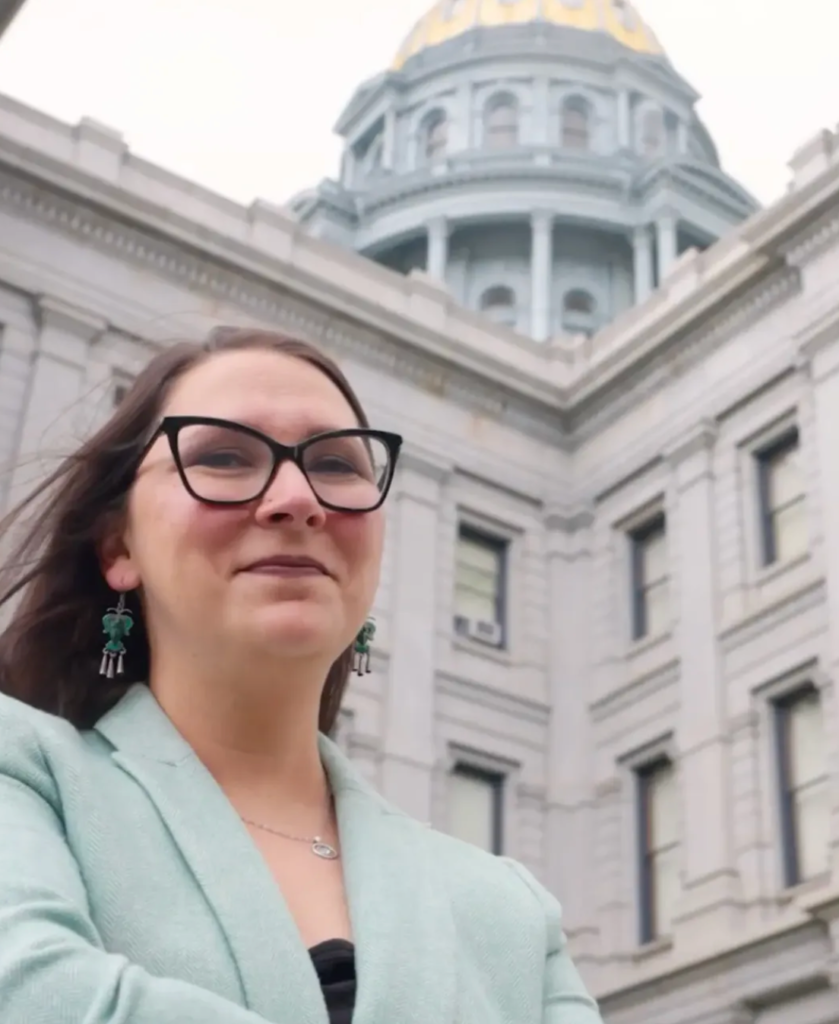
“I am not your typical candidate. And many powerful people said I couldn’t win,” Gonzalez told supporters Tuesday night.
Throughout her campaign, Gonzalez challenged the idea that political leadership must follow a prescribed path. Her candidacy resonated with supporters who saw an opportunity to elevate a candidate whose professional qualifications were accompanied by firsthand experience confronting barriers to representation.
The result also offers a case study in the continuing relevance of grassroots political engagement. While campaign resources remain important, Gonzalez’s victory illustrates how volunteer mobilization, community relationships and public trust can help a candidate compete against better-funded opponents.
From Voting Rights Advocate to Statewide Leadership
Gonzalez enters the secretary of state’s office with a professional background directly connected to its central responsibilities.
An attorney and adjunct professor of election law at the University of Denver, she previously served as executive director of Colorado Common Cause, where she advocated for voting rights, government accountability and reforms intended to strengthen democratic participation.
In 2022, she was elected Jefferson County clerk and recorder, becoming the first Latina and first openly LGBTQ person to hold the position. Her responsibilities have included administering elections, overseeing public records and managing services for one of Colorado’s most populous counties.
Her background also includes advocacy for automatic voter registration and independent redistricting, reforms designed to expand participation and strengthen public confidence in government.
These experiences became central to her campaign for statewide office. In a September interview with Colorado Public Radio, Gonzalez emphasized the relationship between voting rights and public policy, arguing that meaningful participation in elections is fundamental to having a voice in decisions affecting everyday life.
Her election comes as secretaries of state across the country face heightened scrutiny over voting procedures, cybersecurity, election misinformation and public trust.
For Colorado, the next four years will require leadership capable of protecting established election safeguards while responding to changing technology, federal policy and increasingly contentious debates about how elections should operate.
The Future of Colorado’s Elections
Although Gonzalez’s identity and campaign organization drew significant attention, the election also presented voters with two distinctly different approaches to administering Colorado’s elections.
Gonzalez defended the state’s mail-ballot system, emphasizing accessibility, election security, bipartisan administration and established verification procedures. Wiley advocated major changes, including expanded in-person voting, reduced reliance on voting machines and greater use of hand-counted ballots.
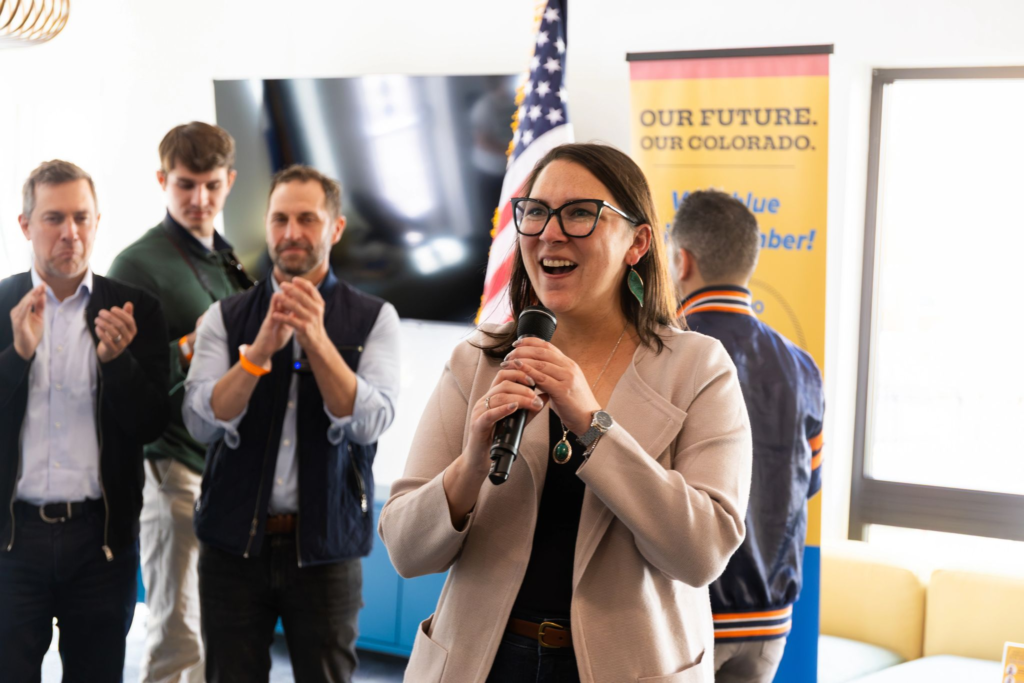
During an October debate, she pointed to Colorado’s paper ballots, documented chain-of-custody procedures and post-election audits as important safeguards. She also argued that voters should have consistent opportunities to participate regardless of where they live.
The contest reflected a larger national debate over election integrity and the public’s confidence in democratic institutions.
Colorado’s secretary of state oversees far more than voting. The office also administers campaign finance reporting, business registrations and other regulatory responsibilities that affect residents and organizations statewide.
Gonzalez will succeed term-limited Secretary of State Jena Griswold in January, assuming responsibility for an elections system that has attracted national attention for its accessibility and security procedures.
Her challenge will be to maintain those protections, address legitimate administrative concerns and strengthen public understanding of how elections are conducted.
Representation and the Generations Who Made It Possible
The historical significance of Gonzalez’s election is especially meaningful in a state where Latino communities have contributed to political, economic and cultural life for generations while continuing to encounter barriers to representation at the highest levels of government.
For Gonzalez, those barriers are deeply personal, rooted in her family’s Mexican American heritage and experiences with immigration, language discrimination and cultural identity.
Her paternal grandmother immigrated to the United States from San Luis Potosí, Mexico, and eventually became a naturalized citizen. Her father, born in Southern California, grew up speaking Spanish at home. When he entered kindergarten, he was sent home with a note instructing his family to speak English because he was speaking too much Spanish at school. Gonzalez recounted that experience in 2020 testimony before the Colorado Legislature while advocating for multilingual ballot access.
The story is an illustration of how discrimination can shape cultural identity across generations. Her own pride in her family’s heritage, and her commitment to making government more accessible, represent changing opportunities available to subsequent generations.
After a stunning win, the granddaughter of a Mexican immigrant who faced barriers to full participation in American civic life will now oversee the elections system of an entire state. As both a Latina and an openly LGBTQ woman, Gonzalez also represents communities whose opportunities for political leadership have expanded through decades of organizing, advocacy and civic participation.
Gonzalez acknowledged this responsibility during her victory speech, honoring her parents, volunteers and the women who supported her campaign. She reflected on the importance of younger generations seeing themselves represented in positions of leadership.
“Someday, a little girl is going to look at this stage and see women who look like her, women who love like her, women who were told they couldn’t – and did anyway,” she said.
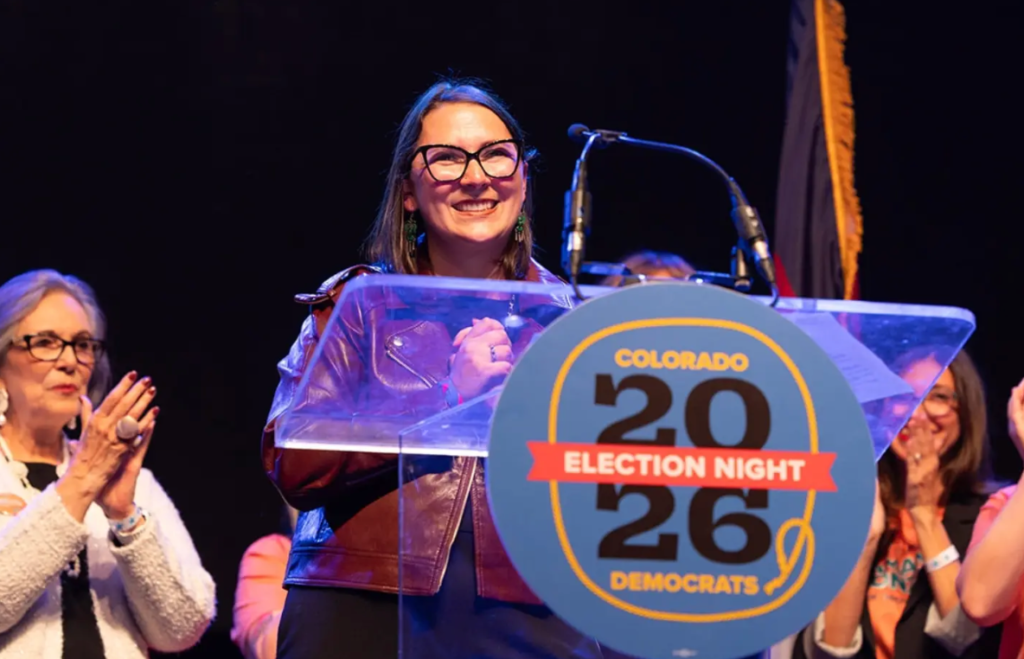
For young Latinas, LGBTQ Coloradans and others who have rarely seen their identities reflected in statewide leadership, her election offers a visible example of endless possibilities in leadership. For the broader electorate, it introduces a new chapter in the administration of an office that plays a fundamental role in protecting democratic participation.
Gonzalez’s victory will be remembered for the barriers she broke on election night. Her tenure will ultimately be measured by what she accomplishes for the Coloradans whose votes made that history possible.
As she prepares to take office, Gonzalez carries both the legacy of those who opened doors before her and the responsibility to ensure that Colorado’s democracy remains accessible, trustworthy and responsive to the people it serves.
Editor’s note: To learn more, visit amandaforcolorado.com.
