
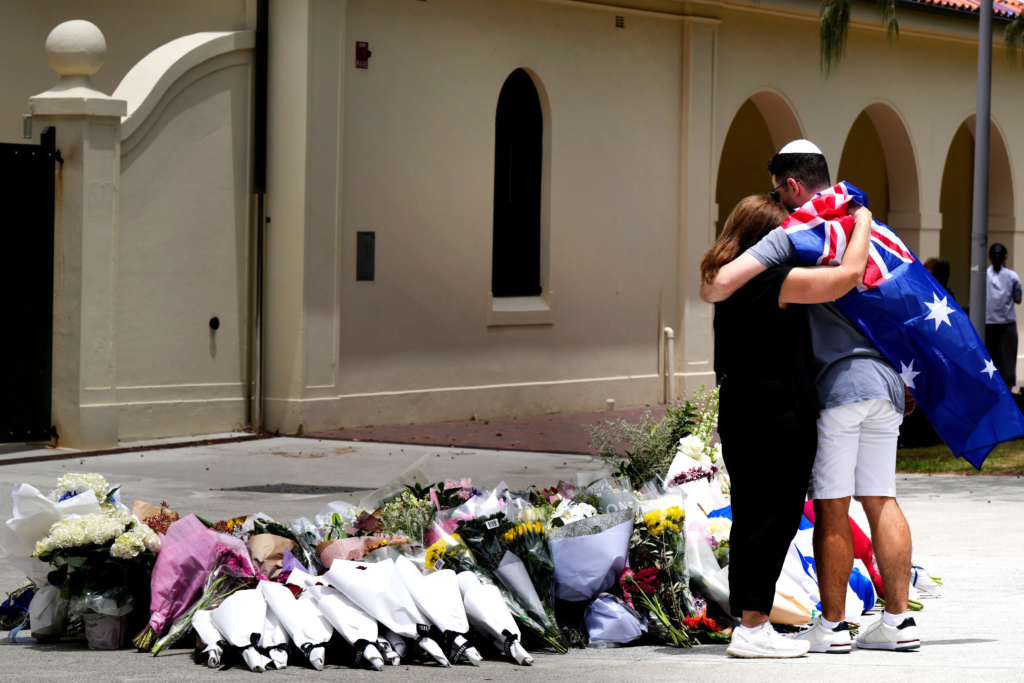
Australia Confronts Violence, Extremism and Gun Policy After Bondi Beach Attach
In a horrific event authorities have labeled a terrorist attack with antisemitic motivations, gunmen opened fire Dec. 14, 2025, during a Hanukkah celebration on Sydney’s Bondi Beach. 15 people were killed and dozens more injured in one of the nation’s deadliest mass shootings on record.
The assault, which disrupted the holiday gathering known as “Chanukah by the Sea,” has prompted national mourning. Heightened concerns about violent extremism and a renewed debate over gun policy have become a central focus in a country known for its strict firearm regulations.
Harrowing Holiday Violence
The brutal attack unfolded in the early evening at Archer Park, adjacent to Bondi Beach. Two gunmen armed with multiple licensed firearms began shooting at crowds gathered for the festival. One suspect, identified by police as 50-year-old Sajid Akram, was killed by law enforcement at the scene. The other gunman, his 24-year-old son, Naveed Akram, was critically wounded and later taken into custody.
Police later found two improvised explosive devices in the suspects’ vehicle, which were safely disabled by bomb-disposal teams.

Authorities have characterized the assault as a deliberate attack on the Jewish community, occurring on the first night of Hanukkah, and during a festival celebrating resilience and light.
Australia’s Prime Minister Anthony Albanese condemned the massacre as “pure evil,” asserting that it was motivated by antisemitism and “Islamic State ideology.”
Scrutinizing a trip the father-son pair took to the Philippines in November, definitive federal investigators have not publicly confirmed links to international terrorist groups.
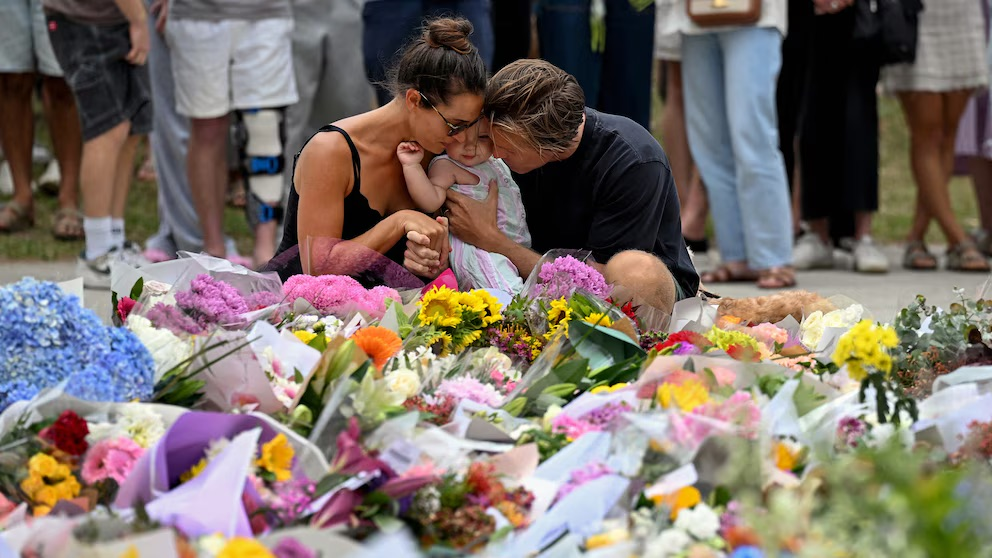
Human Toll and Heroism
Fatalities spanned a wide age range, including bystanders celebrating with families and community leaders. Among those killed were a 10-year-old child and Rabbi Eli Schlanger, a respected figure in Sydney’s Jewish community. Dozens of people were hospitalized, including two police officers who were responding to the incident.
Acts of bravery interrupted the siege and presumably saved countless lives.
A civilian, identified as 43-year-old Ahmed al Ahmed, tackled and disarmed one of the shooters. He sustained serious injuries and is recovering from complex surgery. His courage has drawn praise from the prime minister and the public, with substantial monetary contributions for his medical care.
Australia’s Jewish community and civic groups have held vigils and prayers in the days following the attack. Thousands have also donated blood to support survivors and first responders.
Policy and Political Aftermath
The Bondi Beach shooting has revived intense debates over Australia’s firearm regulations. In 1996, the country implemented sweeping gun-control reforms after the 1996 Port Arthur massacre. Though legislation is credited with reducing gun violence, public officials and advocacy groups are criticizing gaps that allowed a licensed owner to acquire multiple high-powered weapons.
Prime Minister Albanese and state leaders have pledged to pursue immediate legislative reforms. With a gun buyback program and tighter licensing requirements, lawmakers are hoping to curb similar violence in the future.
Austrailia’s government has also announced plans to strengthen hate crime laws and counter-extremism efforts.
National Reflection and Global Reaction
As lawmakers and citizens question how the effectiveness of gun control and attempt to balance civil liberties and public safety, leaders from around the world extended condolences and solidarity.
The investigation into the horrific event continues as a mourning community seeks understanding and eventually, healing.

