Denver Film Festival reaches midway point with Hollywood tributes, Colorado stories and conversations beyond the screen
The 49th annual festival opened with “I Play Rocky” and has featured appearances by John Cho, Indya Moore and other film industry figures, while Colorado filmmakers bring local stories to wider audiences.
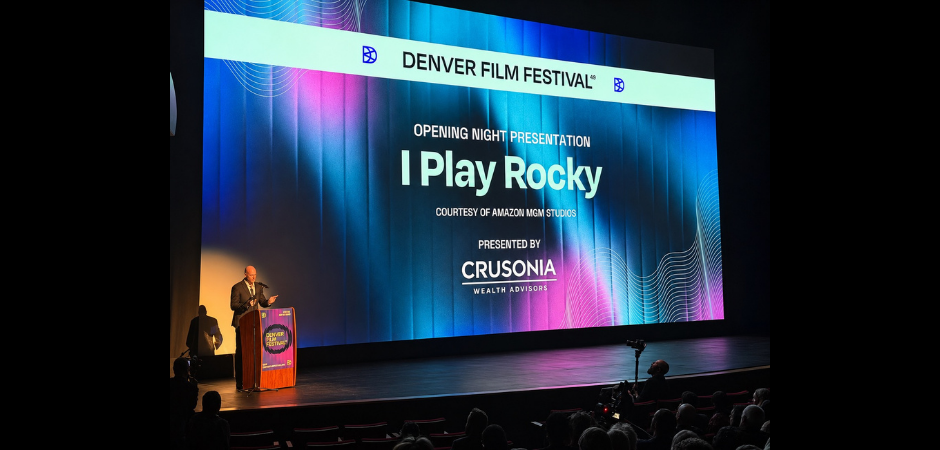
The 49th Denver Film Festival (DFF49) opened Oct. 22 with a celebration of cinematic ambition, launching 11 days of international films, filmmaker conversations and industry recognition across Denver. As the festival approaches its midpoint, its programming has placed established Hollywood talent alongside independent filmmakers examining subjects ranging from personal identity and artistic expression to immigration, environmental challenges and community responsibility.
This year’s festival features more than 130 screenings, with presentations at the Sie FilmCenter, Ellie Caulkins Opera House, MCA Denver at the Holiday Theater and other cultural venues. The program combines internationally recognized productions with emerging filmmakers and Colorado-based projects, offering audiences opportunities to explore stories that might otherwise receive limited theatrical exposure.
Opening Night Celebrates the Determination Behind “I Play Rocky”
The opening night ceremony at the Ellie Caulkins Opera House set the stage with “I Play Rocky,” director Peter Farrelly’s account of Sylvester Stallone’s determination to bring his screenplay to the screen while insisting on portraying its central character.
Anthony Ippolito stars as the young Stallone, alongside a cast that includes Colorado native AnnaSophia Robb, Matt Dillon and Tracy Letts. Screenwriter Peter Gamble introduced the presentation and participated in a public discussion the following day.

For Denver Film CEO Kevin Smith, the opening selection reflected the festival’s long-standing connection to independent filmmaking.
“Forty-nine years in, the Denver Film Festival is still driven by what has always mattered most: bringing our community together around great movies and the people who make them,” Smith said in announcing this year’s program.
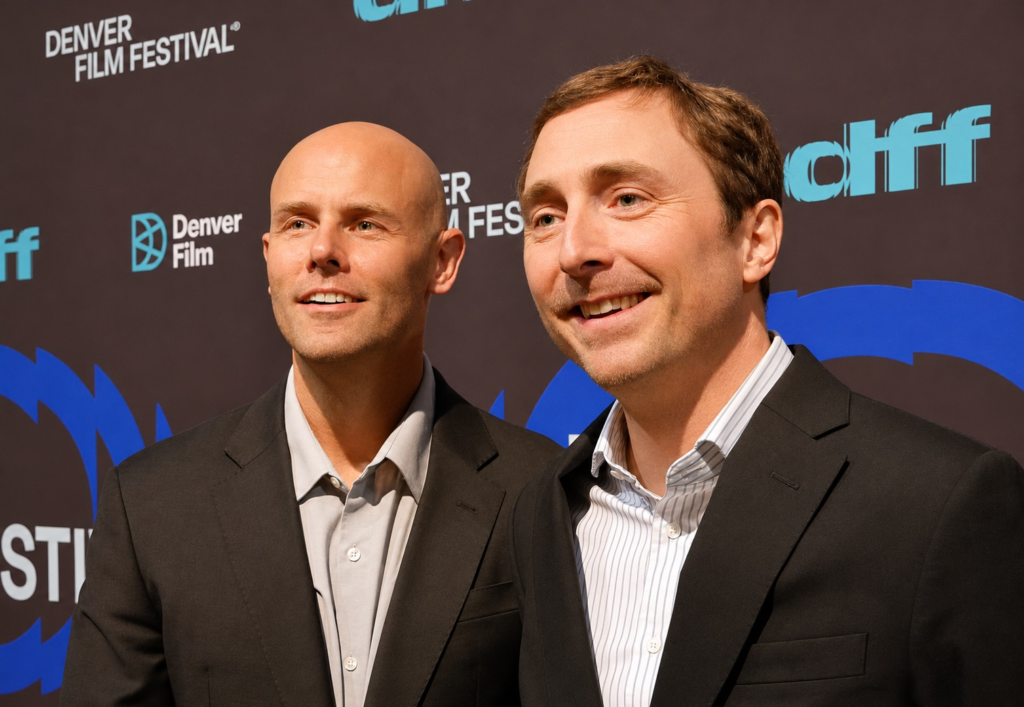
Smith also described “I Play Rocky” as an underdog story that captures the determination and creativity celebrated by the festival, particularly as Denver Film prepares for its 50th anniversary in 2027.
Opening night also included recognition of Fred Hechinger with the festival’s Rising Star Award, accompanying a presentation of Andrew Haigh’s “A Long Winter” at the Sie FilmCenter. The festivities continued with an opening night celebration at Market Station in downtown Denver.
John Cho, David Acord and Hollywood Talent Take Center Stage
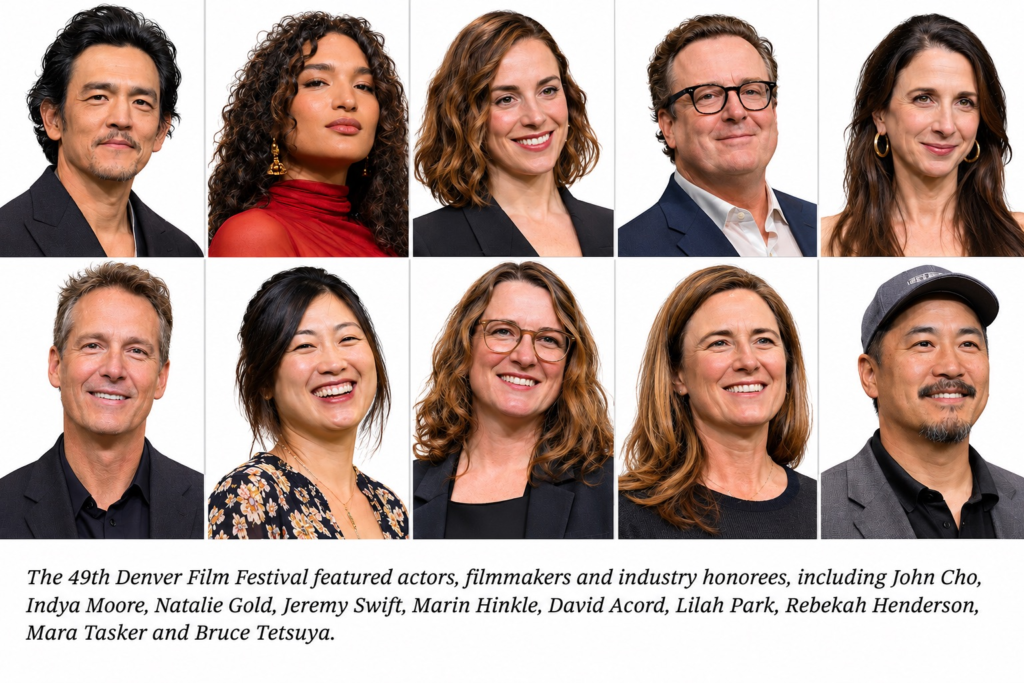
The following days brought several notable performers and filmmakers to Denver. On Oct. 23, John Cho received the festival’s Outlaw Award, which recognizes excellence in antagonist performances, ahead of a screening of “Your Mother Your Mother Your Mother.” The film features Cho opposite Mahershala Ali, marking another dramatic turn for an actor whose career has ranged from the “Harold & Kumar” comedies to “Star Trek,” “Columbus” and “Searching.”
That evening also featured “Welcome to the Fishbowl,” a Colorado-connected feature written and directed by Denver native Sheryl Glubok. Starring Natalie Gold, Jeremy Swift and Marin Hinkle, the film follows an aspiring Denver writer who finds herself driving a difficult, established author to Telluride. Members of the cast and creative team participated in the festival’s red carpet programming and post-screening discussion.
Two centerpiece presentations on Oct. 24 expanded the festival’s examination of storytelling through performance and craft. Tony Gilroy’s “Behemoth!,” starring Pedro Pascal as a cellist confronting personal and professional changes, was accompanied by recognition of sound designer David Acord. A two-time Academy Award nominee known for his work on “Star Wars” and Marvel productions, Acord also participated in a festival conversation exploring sound design’s role in filmmaking.
Danny Boyle’s “Ink,” a dramatization of Rupert Murdoch’s rise through Britain’s tabloid newspaper industry, provided another perspective on the relationship between media, influence and public perception.
Festival Honors Artists Challenging Cinematic Conventions
On Oct. 25, actor, model and producer Indya Moore received the CinemaQ LaBahn Ikon Film Award at the Denver Art Museum. Recognized for performances including the television series “Pose” and the film “Father Mother Sister Brother,” Moore has also advocated for LGBTQ+ representation and human rights.
Moore served as executive producer of “Watch You Rise,” a documentary directed by Boulder filmmaker Isabella Grace Cohn. The film addresses sexual assault, accountability and the experiences of survivors, bringing difficult conversations about harm and healing into a public screening environment. Its Oct. 24 presentation drew a capacity audience, according to local festival coverage.
Experimental filmmaker Michael Gitlin was also honored Oct. 25 with the Stan Brakhage Vision Award, presented in connection with a screening of “The Night Visitors.” The award recognizes filmmakers whose work challenges conventional cinematic approaches. International programming that day included the U.S. premiere of Hans Petter Moland’s “Growth of the Soil,” Norway’s submission for Academy Awards consideration.
Colorado Filmmakers Bring Local Stories to the Screen
Colorado productions have provided another important dimension to the festival’s opening days. The Colorado Spotlight program has featured films including “Art Not as Usual,” “The Ascent,” “The River” and “Watch You Rise,” with participating filmmakers and subjects joining post-screening conversations.
Among the most locally relevant projects is “Good Help,” a documentary directed by Rebekah Henderson and Lilah Park examining the response of Denver residents to the arrival of thousands of migrants. Premiering Oct. 25, the film follows community members who organized assistance during a period of intense public debate over immigration, housing and municipal resources.
The documentary’s focus on ordinary residents responding to extraordinary circumstances offers an account of community action that extends beyond government policy. A related Oct. 27 discussion, “When the Buses Arrived,” provided an opportunity to examine documentary storytelling, public memory and the experiences of people involved in Denver’s response.
“The River,” directed by Mara Tasker, has similarly connected documentary storytelling to an issue with immediate consequences for Colorado and the American West. Through its examination of the Colorado River and competing demands for limited water resources, the film introduces audiences to environmental and policy questions shaping the region’s future.
Colorado’s independent filmmaking community also reached notable milestones during the festival’s first week. Denver filmmaker Bruce Tetsuya earned his ninth consecutive festival selection with the narrative short “End of Things,” while documentary filmmaker Brendan Young had two short films featured in the Colorado documentary program, including “The Meloneers,” about high school wrestlers in Rocky Ford. Their work illustrates both the creative range of Colorado filmmaking and the persistence required to sustain independent production.
The festival has also extended its programming beyond traditional screenings through industry conversations, filmmaker discussions and discounted admission opportunities.
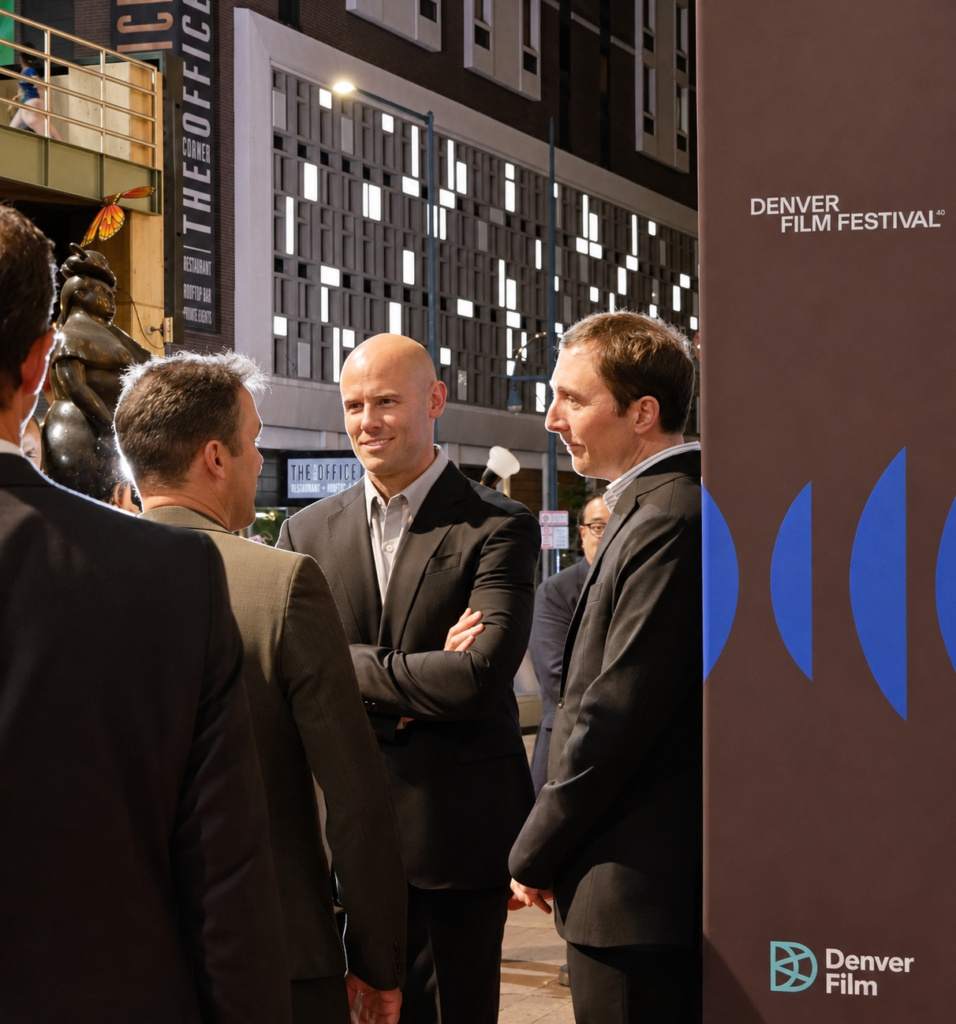
Select $5 screenings and pay-what-you-can tickets have created additional opportunities for audiences to participate, while a partnership supporting free screenings for high school students introduces younger viewers to the festival experience.
As the program continues through Nov. 1, upcoming presentations include appearances by John Leguizamo and Carrie Coon, along with the closing night selection, James Gray’s “Paper Tiger.”
Looking Ahead to the Festival’s 50th Anniversary
Approaching its 50th anniversary, DFF has an opportunity to strengthen its role as a platform for Colorado filmmakers while maintaining access to national and international cinema.
The festival’s opening week highlighted the breadth of stories being told through film, from major international productions to documentaries examining issues affecting Colorado communities. By creating space for emerging and established filmmakers to share their work and engage directly with audiences, the Denver Film Festival continues to contribute to the cultural landscape while expanding opportunities for independent storytelling.
Editor’s note: DFF49 continues through Sunday, Nov. 1. Screening schedules, ticket information and special event details are available at denverfilm.org.
