
Caring for a Hungry Community: How Metro Caring Rose to the Occasion
The recent abrupt halt of the Supplemental Nutrition Assistance Program (SNAP), often referred to as “food stamps,” impacted millions of people nationwide at the worst time possible. With the holidays approaching, more than 600,000 Coloradoan families were impacted during the longest governmental shutdown in our nation’s history. Metro Caring rose to the occasion, offering fresh food to compass community hunger.
Still, vulnerable children, seniors and people with disabilities were affected most. With the sudden loss of food assistance, many people struggled to understand the policies that were actively impacting their lives.
A Helping Hand
President Franklin D. Roosevelt created the Federal Surplus Relief Program in 1933, as part of his New Deal during the Great Depression. The program addressed both agricultural surpluses and hunger, purchasing excess crops and distributing them to people in need.
The first Food Stamp Program (FSP) was created in 1939. It allowed people to use orange and blue stamps to purchase food, with blue stamps reserved for food that was identified as surplus.

In 1964, President Lyndon B. Johnson requested that Congress pass legislation to make the program permanent and bring it under congressional control as part of a movement he coined a “War on Poverty.” Several regulations were included in the Food Stamp Act, including state-based operational plans, the development of eligibility standards and anti-discrimination rules.
Originally expected to reach a cost of $360 million per year, the program – which was officially renamed in 2008 – now costs over $100 billion per year.
For the first time in the program’s history, food assistance was not available to recipients during the 43-day shutdown. The interruption of the SNAP program at the beginning of November was shocking for families who rely on the funds to purchase nutritious food. As a result, droves of people flooded into food banks and charities, braced for the unknown.
Community Care
Anticipating the effect of the shutdown on local communities, Metro Caring rose to the occasion.
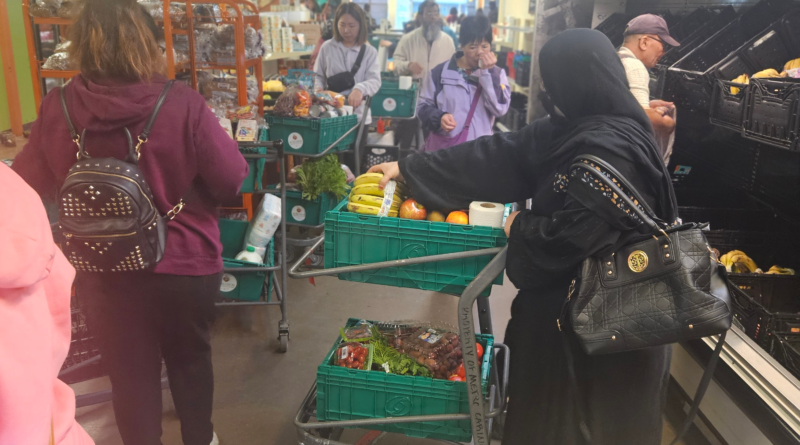
The leading anti-hunger organization has provided nutritious food to individuals experiencing food insecurity for over 50 years. With healthy options such as fresh fruits and vegetables offered in an unique market-style layout, it partners with stores like Trader Joes and Whole Foods, and works with local farmers who are committed to ending food injustice.
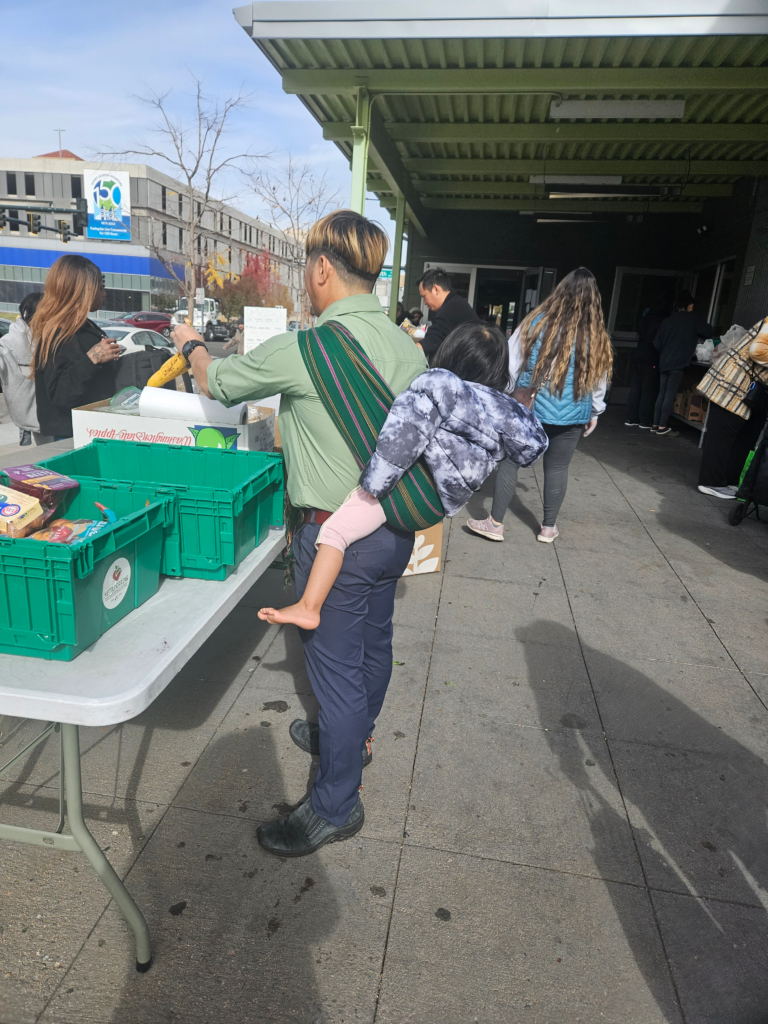
In addition to providing food to those in need, the nonprofit addresses the root causes of hunger. It provides wraparound services in response to societal issues that often contribute to food insecurity such as unemployment, immigration, and a high cost of living.
Metro Caring immediately promoted the availability of its food outreach once it became clear that SNAP benefits would be delayed. Still, with growing uncertainty about the outcome of the shutdown and the holiday season near, fear was beginning to take hold. The organization braced for a surge in demand, knowing that even a short disruption in benefits might trigger long-lasting ripple effects for Denver’s households.
The Personal Impact
“I have never been so scared in my whole life. How will I feed my children?” asked Nadia, a single mother from Egypt, with young children.
After a recent job loss, the unavailability of benefits could have been detrimental for the family. However, Nadia was able to schedule an appointment just in the nick of time, filling her refrigerator with food and her mind with peace.
Mr. Dave, one of Metro Caring’s most dedicated volunteers, was troubled by the scarcity of resources amid enormous demand.
“I feel like Scrooge,” he shared in the days following a USDA statement that benefits would not be released for November. “I really like being here and helping these families out during these hard times.”
The retiree works at the meat counter, providing meat, poultry, eggs and milk. He noticed a surge in requests during the shutdown, and was forced to limit outreach to “baseline” food packages.
Safeguarding Sustainability
Emily Settlecowski is Metro Caring’s Manager of Warehouse Operations at Metro Caring. She explains that her team has been swamped with extra requests for help since the ordeal began.
“It’s been mentally, physically and emotionally challenging. We’ve increased our programming to reach more folks, which means increased procurement and sourcing of food, volunteers and resources, and all the challenges that come with that.”
With increased service hours, and all hands on deck to increase and process inventory provided by donations and state funding, she says that her team has been feeling burnt out since before the disruption.
“The charitable feeding sector has been under a lot of strain for a while now,” she says. Thankfully, her team of dedicated volunteers and staff are committed to working hard so that community members continue to have access to nutritious food. But for many others working in the nonprofit and charitable sectors, the feeling of strain is familiar.
“We have 3 more years with this current administration,” Settlecowsky warns, pointing out that the SNAP disruption could be politicized and weaponized in the future.
“We need to prepare ourselves to be able to respond to more of these moments.”
Editor’s note: To learn more about Metro Caring or make a donation in support of its community services, visit www.metrocaring.org.