

Rising Together: How Visionary Leaders in the Denver Metro Area Are Transforming Higher Education for the Greater Good
As the Principal of Robert F. Smith STEAM Academy and Executive Director of the Colorado Men of Color Collaborative (CMOCC), I’ve witnessed firsthand the power of partnership between K–12 and higher education.
Authentic connection — not transactional collaboration — is what drives true progress. When higher education institutions meaningfully engage with their surrounding communities, they become more than centers of academic learning; they evolve into engines of opportunity, equity and transformation.
In Denver, we are seeing this truth in action. Colleges and universities across the metro area are stepping beyond their walls to build bridges of mentorship, innovation, and access — particularly for historically underserved communities. The leaders driving this movement understand that education must not only inform minds but also uplift lives, families and neighborhoods.
I have had the honor of working alongside and observing several of these visionary leaders — individuals whose collective work represents a shared pursuit of excellence, impact and community engagement. Together, they are reimagining what higher education can mean for Colorado’s future.

In the vibrant landscape of higher education across the Denver metropolitan area, a remarkable cadre of leaders is working collaboratively behind the scenes — transforming institutions, uplifting historically underserved populations and forging new pathways that connect education to economic opportunity.
Among them stand four trailblazing figures whose work transcends traditional academic boundaries: Mordecai Brownlee, Rashad Anderson, Marvin Lynn and Christina Alston.
Each is leading bold initiatives within their respective institutions, while the intersections between their work — ranging from workforce development to equity in teacher preparation — are creating a new, dynamic ecosystem of collaborative impact for the Denver and Colorado community.
Dr. Mordecai Brownlee: Bridging Education and Economic Opportunity
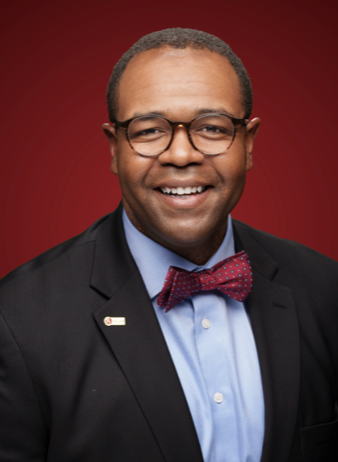
Since taking the helm of Community College of Aurora (CCA) in 2021, President Dr. Mordecai Brownlee has transformed his institution into a powerhouse of equity, opportunity and workforce-readiness. Under his leadership, enrollment and student success metrics are at historic highs — with completion rates rising more than 20 percent, and decades-long enrollment declines reversed.
Beyond enrollment and outcomes, Dr. Brownlee has engineered a broader approach to community transformation. His push to pioneer the center for STEM and Applied Technologies and Health Sciences and First Responder training facilities highlights CCA’s growing focus on workforce alignment, helping students translate their education directly into employment.
As a member of the board of Education Design Lab, he now plays a national leadership role in designing innovative pathways that connect learners to high-demand careers — a work that has ripple effects across Colorado’s economy.
Equally significant is Dr. Brownlee’s collaboration with partners in Denver and across the state. Through initiatives with the Arapahoe/Douglas Workforce Development Board and alliances with regional K–12 institutions, he’s expanding CCA’s impact well beyond its campuses — crafting inter-institutional pathways, and strengthening the education-to-work pipeline that fuels the region’s future.
Dr. Rashad Anderson: Mentoring the Next Generation of Breakthrough Educators

At Metropolitan State University of Denver (MSU Denver), Associate Professor Dr. Rashad Anderson is redefining what it means to cultivate equitable teacher leadership. As director of the Western expansion of the Call Me MiSTER program — a national initiative focused on recruiting, mentoring, and placing Black male educators — Anderson is addressing a pressing need: less than two percent of U.S. teachers are Black men.
His work goes beyond demographics. His research and practice sit at the intersection of teacher development and school transformation, exploring how schools can disrupt old systems of development to foster belonging, excellence and achievement.
Through his leadership, MSU Denver is launching one of the program’s most geographically expansive cohorts, partnering with K–12 districts to build mentorship pipelines, and embedding equity training into teacher preparation.
His collaboration with colleagues across Denver-area colleges strengthens pathways for students from college to classroom, ensuring that future educators remain rooted in community and equity-focused leadership.
Dr. Marvin Lynn: Advancing Equity and Collaboration in Teacher Education
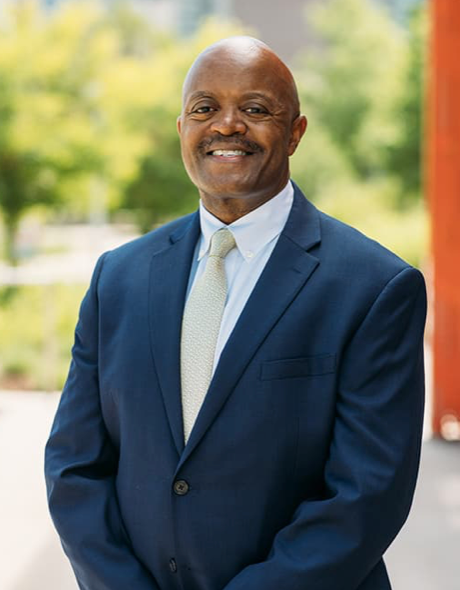
At University of Colorado Denver (CU Denver), Dr. Marvin Lynn is leading significant paradigm shifts as Dean of the School of Education and Human Development (SEHD). A renowned scholar of education, and teacher diversity, Lynn’s leadership is rooted in the principle that access and equity are inseparable from excellence in schools. His research, particularly on Black male educators, is among the most cited in the field — influencing state policy and national discourse.
Dr. Lynn’s ability to bring diverse stakeholders together is particularly impactful. As chair of the Colorado Educator Preparation Advisory Council, he is shaping statewide educator preparation policy, fostering partnerships between universities, school districts and workforce organizations.
His collaboration with the Colorado Department of Education and advocacy for culturally responsive pedagogical practices are breaking down institutional silos — ensuring that teacher preparation is responsive to the students and communities educators will serve.
These collaborative efforts align closely with Dr. Anderson’s work at MSU Denver, creating increasingly cohesive systems for teacher support across Colorado’s institutions — from recruitment to classroom practice.
Dr. Christina Alston: Transforming the STEM Graduate Experience

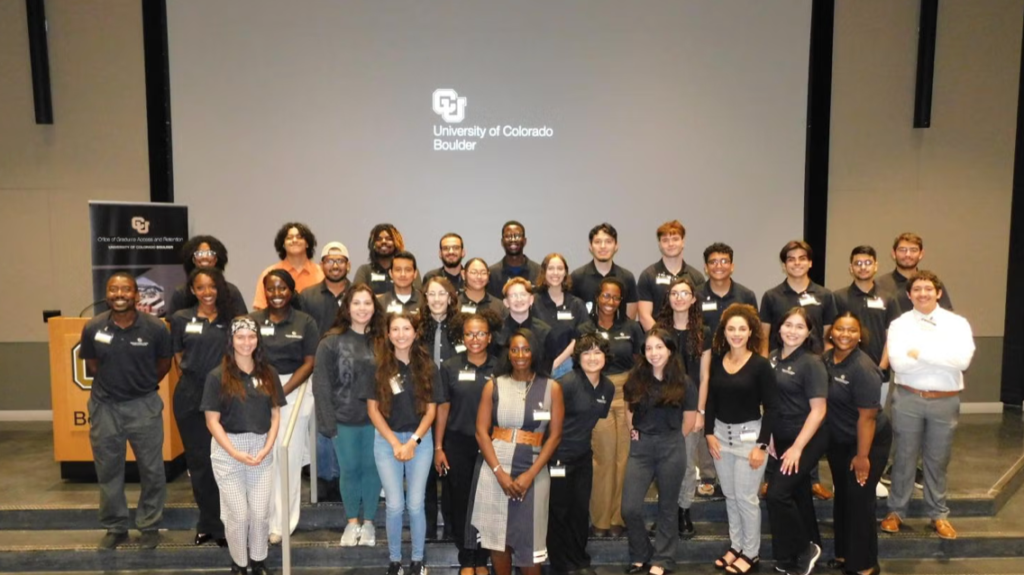
At University of Colorado Boulder (CU Boulder), Dr. Christina Alston is redefining the graduate student experience in STEM through her leadership of the Office of Graduate Access and Retention. Her work focuses on fostering belonging among historically marginalized graduate students and addressing the “Racial Battle Fatigue” many Black women in science experience.
Dr. Alston’s work is transformative in several ways. By leveraging mentoring programs like SMART and the Colorado Advantage, she is strengthening pathways for students from underrepresented backgrounds to pursue advanced STEM degrees.
Her collaborative approach extends beyond CU Boulder,connecting graduate programs with local K–12 schools, research labs and industry partners. These partnerships expand opportunities not only for students but also for the Colorado workforce, ensuring the next generation of scientists, engineers and innovators reflect the state’s diversity.
The Power of Uncommon Intersections
The collective impact of these four leaders is rooted in collaboration at often-overlooked intersections: workforce development and educational access (Brownlee); community-driven teacher leadership pathways (Anderson and Lynn); and diversity-driven innovation in STEM education (Alston).
Their collaborations are reshaping Denver’s educational landscape in several profound ways:
- Workforce-focused education pipelines: Brownlee’s industry-aligned programs complement Alston’s research pathways, creating seamless transitions from STEM education to high-demand careers.
- Diverse educator training ecosystems: Guidelines and approaches developed collaboratively by Lynn and Anderson are strengthening educator diversity and cultural responsiveness statewide.
- Community-centered student support: All four leaders emphasize belonging and equity — from mentorship and retention strategies to institutional policies that prioritize student success across demographics.
Together, these initiatives are enhancing in-state access, fostering economic mobility, and helping Colorado become a national leader in K-16, high-quality higher education.
A Future Built by Collaboration
The trajectories of CCA, MSU Denver, CU Denver and CU Boulder are increasingly intertwined — not by happenstance, but by visionaries who understand that the challenges of education are bigger than any one campus.
In their shared commitment to educational justice, accountability and community empowerment, Dr. Brownlee, Dr. Anderson, Dr. Lynn and Dr. Alston are redefining what it means to lead in higher education. Their collaborative work is building a powerful ecosystem where students across Colorado — regardless of background — can access education, thrive in their chosen fields and shape the future of their communities.
As Denver continues to grow, expand and diversify, the leadership and partnerships of these four will be essential to the state of Colorado. They’re leading communities into a future where higher education is the foundation of inclusive prosperity and social mobility.
Editor’s note: Dr. Fernando M. Branch is the Principal of Robert F. Smith STEAM Academy and the Executive Director of Colorado Men of Color Collaborative (CMOCC).