
Breaking the Silence: Why Domestic Violence Awareness Month Matters
October is Domestic Violence Awareness Month, which makes it one of the most reflective and meaningful times of the year for me and for others who have experienced partner abuse.
Started in 1981 by the National Coalition Against Domestic Violence (NCADV) as a national “Day of Unity,” the first full month of observance occurred in 1987 – the year I was born. In 1989, Congress officially created the month-long designation. Since then, the month has served as a unifying force for advocates and organizations working to end domestic violence who are united by purpose. During October, individuals who have lost their lives are mourned, and survivors who have exhibited strength and resilience are celebrated.
Domestic Violence Awareness Month is a time to break the silence and stigma associated with domestic violence – also known as gender-based violence or intimate partner abuse – and to stand with organizations working tirelessly to create safety and justice for those who are living through physical, verbal, financial, sexual, litigation abuse and neglect.
The Heart of the Matter
At the heart of this month is empathy – the ability to truly see, hear and understand survivors; to acknowledge not only what they’ve endured, but also the strength it takes to keep going.

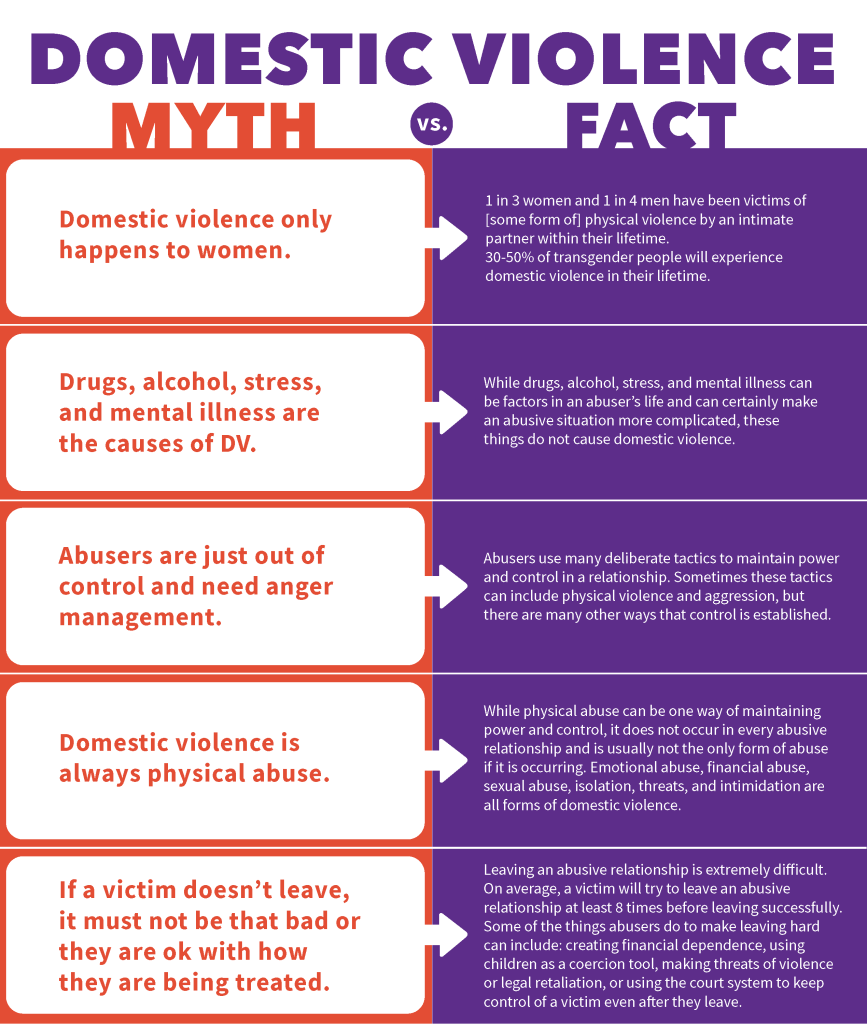
Too often, conversations about domestic violence are reduced to statistics or stereotypes. But empathy calls us to step into survivors’ experiences and imagine the fear of not being believed; the confusion of loving someone who hurts you; the isolation of being cut off from family and friends; and the immense courage it takes to ask for help.
Empathy allows us to move beyond judgment and toward compassion, recognizing that every survivor’s story is unique and that healing begins when survivors’ voices are valued and supported.
For me, this month is very personal.
I am a survivor of domestic abuse. Like too many others, I lived through cycles of fear, isolation and control that characterize gender-based abuse.
I refrained from sharing my story for many years, convinced it wouldn’t matter and believing the lies that no one would believe me or care. Even now, silence can feel safer. Yet, silence only ever protected the abuse – it never protected me.
It Could Happen to You
I grew up sheltered, with little exposure to violence or mainstream media. My childhood was idyllic in many ways – full of books and PBS programs. Abuse was something I thought lived far outside my world.
When I was 10 years old, I learned that the man who raised me was not my biological father. My mother shared that she had suffered abuse while pregnant with me, fleeing from the East Coast to Colorado in her eighth month of pregnancy after “the Halloween when she almost died.” At the time, I didn’t fully understand what that meant.
My mother found her footing at Warren Village – a transitional housing program for single parents in Denver – and eventually married the man who raised me in love and stability. Domestic violence remained an abstract concept, never something I believed could touch me. Until it did.
No Place Safe
I became a mother at a young age and carried the weight of parenting, paying bills and breaking cycles. Fear of becoming a statistic haunted me. With a strong academic background, I felt I was failing when I found myself a single parent, navigating child-rearing and the pursuit of education and self-sufficiency all alone.
Eventually, I met someone who seemed like a distraction from the darkness; but his own darkness soon consumed mine. After the loss of a relative, he became very abusive. I am fortunate to have survived, but his violence escalated until it led to a crime that resulted in a life sentence.
After leaving the relationship, I relocated to the Mississippi Gulf Coast and entered another abusive relationship. With the support of a women’s crisis center, I began to understand that domestic violence takes many forms and that most victims leave and return multiple times before they finally break free. I gained insights into why it happens, how it happens and – most importantly – how to stop it.
Eventually, I returned to Denver and found refuge at Warren Village, marking a full-circle return to truths embedded in the DNA of those who see and experience abuse.
More than a decade later, I still carry the impacts of those abusive relationships. I continue to face stalking, harassment, false accusations and litigation abuse. Even while adhering to court orders and working tirelessly to protect my family, the shadow of abuse remains. At times it feels hopeless, but having a strong network of support has helped me step proudly into survivor status instead of living life as a victim.
The Way Forward
There is no simple solution to domestic violence. Each person’s journey is different. Even with strong resources, a solid plan and a support system, ending abuse is never easy.
For this reason, organizations that advocate for victims and survivors are so incredibly important. Advocates recognize the legal, financial and emotional barriers to safety and provide hope where there seems to be none. They give survivors a chance to reclaim freedom, dignity and joy.
One such organization is Project Safeguard, which has served as a lifeline for countless survivors of gender-based violence in Colorado. Created as a coalition in 1981 and incorporated in 1984, they provide critical legal support, advocacy and guidance to those navigating some of the hardest moments of their lives.
In addition to assisting with difficult legal proceedings like divorce and custody, they work in partnership with other agencies housed at the Rose Andom Center, a one-stop-shop for people experiencing gender-based violence and abuse.
Right now, countless organizations are navigating a changing economic landscape where funding is restricted or reduced as the demand for services increases.
Like many others, Project Safeguard is at a crossroads. Due to recent federal funding cuts, they have lost a significant portion of their budget. This means fewer advocates, fewer resources and fewer survivors with access to the support they need to escape and rebuild.
A Call to Action
This Domestic Violence Awareness Month, we cannot let silence or inaction be the answer. We cannot afford to let the month go by without centering empathy in our approach to the human experience or struggle. We cannot let organizations working so hard to help others face difficult decisions to rollback services or shut their doors.
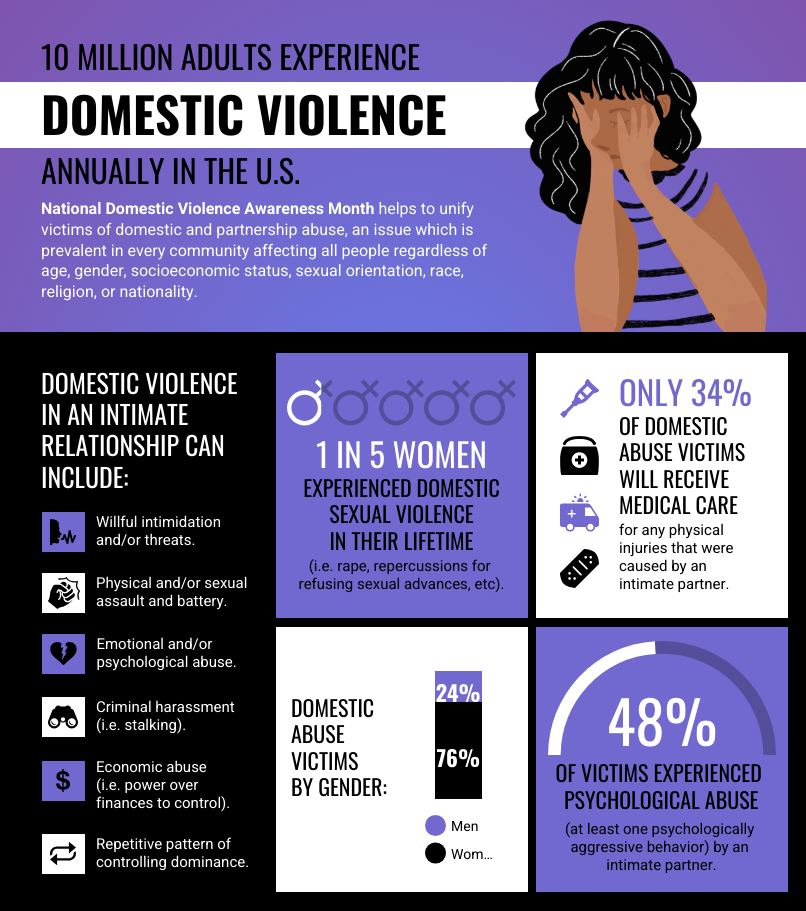
In the United States, the Centers for Disease Control and Prevention (CDC) reports that, over the course of a year, an average of over 10 million people – three in 10 women and one in 10 men – become victims of gender-based violence each year. Therefore, if you are not currently experiencing abuse, you probably know somebody who is.
Victims and survivors of domestic violence are not always easy to identify. For many of us, living in the shadows is a necessity; we might miss family and workplace functions; and our lives are forever changed by violence and abuse. Recognizing the true impact of abuse can help allies and advocates identify the support needed in each circumstance.
In addition to being supportive to those who are struggling to overcome gender-based violence and its aftermath, volunteering and contributing to outreach organizations can help provide life-saving services.
A Good Cause
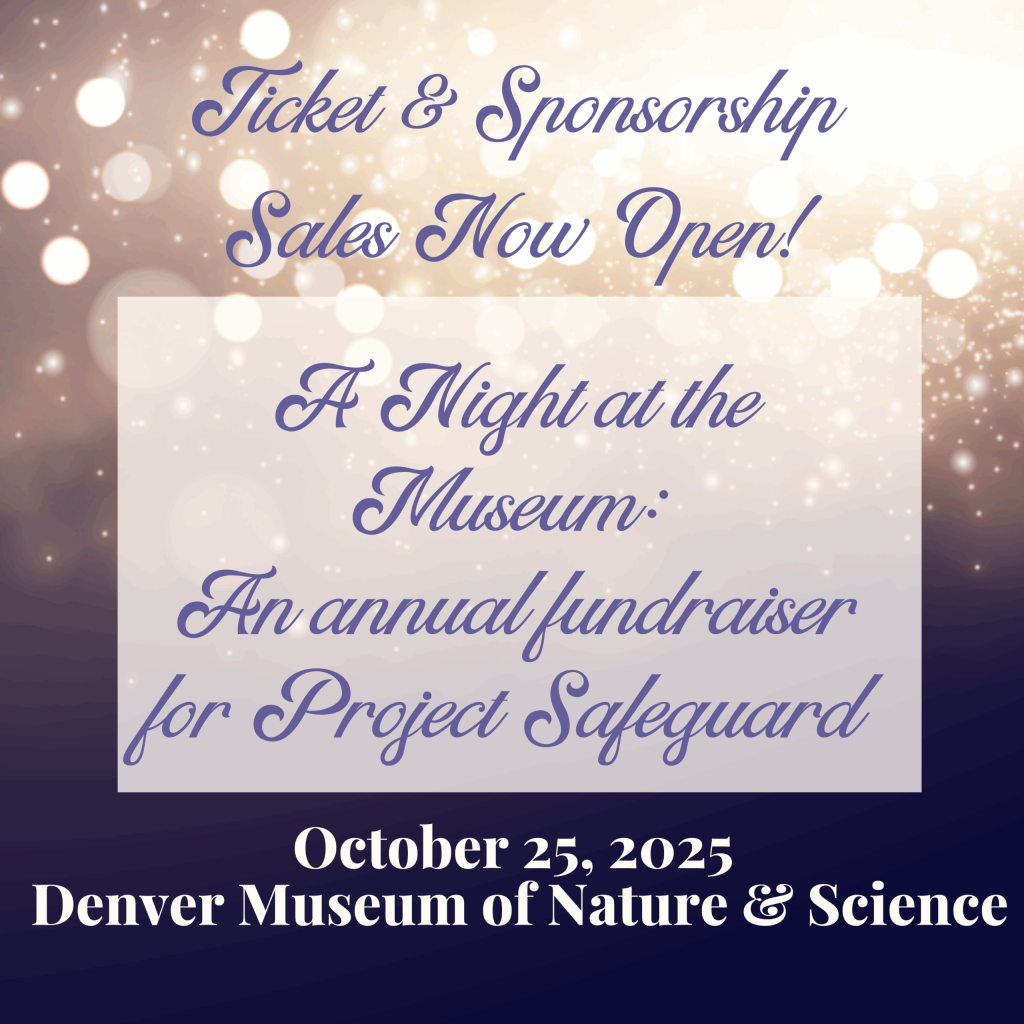
Project Safeguard is hosting the “Night at the Museum” fundraising gala at a critical moment. Funds raised will directly determine how many survivors have someone by their side when they walk into a courtroom, how many children will be safeguarded during custody disputes and how many families will be able to find safety and stability.
Please plan to attend, donate, or spread the word. Your support can mean the difference between despair and hope, between silence and freedom, between fear and survival.
Domestic Violence Awareness Month is about breaking cycles, honoring resilience and ensuring no one has to navigate abuse alone. Together, with empathy and action, we can safeguard stories and the lives of many.
Editor’s note: Ticket and sponsorship information is available HERE.