
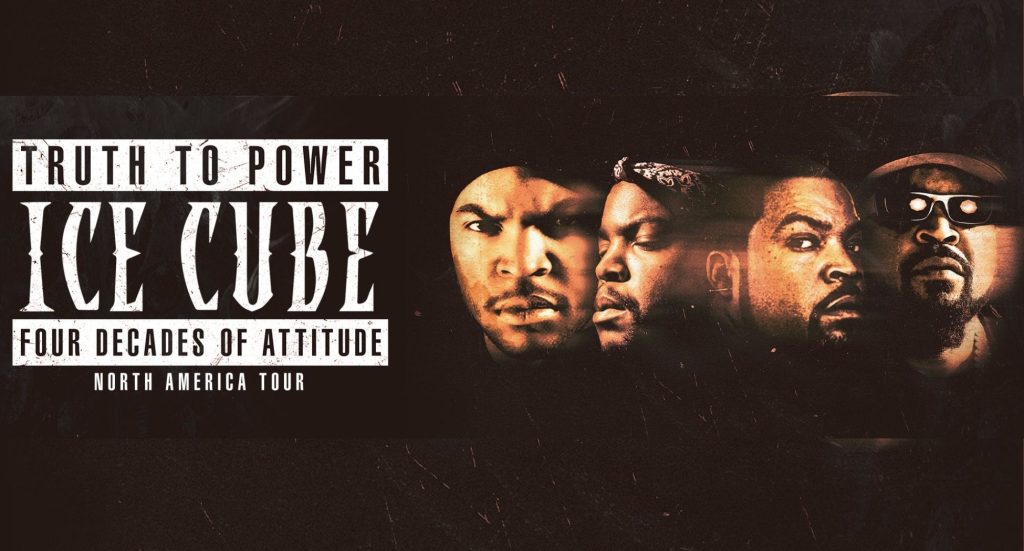
Ice Cube Kicks Off “Truth to Power” Tour in Denver | A Review
Renowned hip-hop artist and cinematic star showcases a four-decade, chart-topping catalog of hits and attitude.
Ball Arena was filled with hip-hop lovers from every race, age and set on Tuesday, Sept. 16. Thousands of fans lined up in the rain to witness greatness and hear the iconic voice of several generations. O’Shea “Ice Cube” Jackson brought out the best of the Rocky Mountain West, delivering a powerful lineup of West Coast rap. Loyalists recited each rhyme, nodding their heads to the beat and soaking in a history lesson wrapped in rhythm.
A longtime friend of the Mile High City, Cube has frequented Denver throughout his career. After emerging on the music scene in the late 1980s, his influence quickly extended worldwide, making him one of the most pivotal voices in American music and culture.
As the lights dimmed, a trademark voice boomed through speakers, welcoming the audience to a multimedia experience rooted in history – U.S. history, Black history and the rapper/film mogul’s own storied history. He addressed the controversy surrounding gangster rap, weighing its critics against the realities of systemic racism, poverty and violence that shaped the conditions the genre depicts.

The major takeaway – aside from a really great collection of songs – was that gangster rap did not corrupt society; since its creation, it has always reflected the society that produced it.
The Birth of a Genre
Born in 1969, Cube was fated to leave a bold and unique mark on music and culture.
Growing up in South Los Angeles, he was shaped by the Watts Riots, the crack epidemic and the tragic loss of his sister at just 12 years old. Those experiences informed the raw urgency in his writing and fueled the aggression behind each bar.
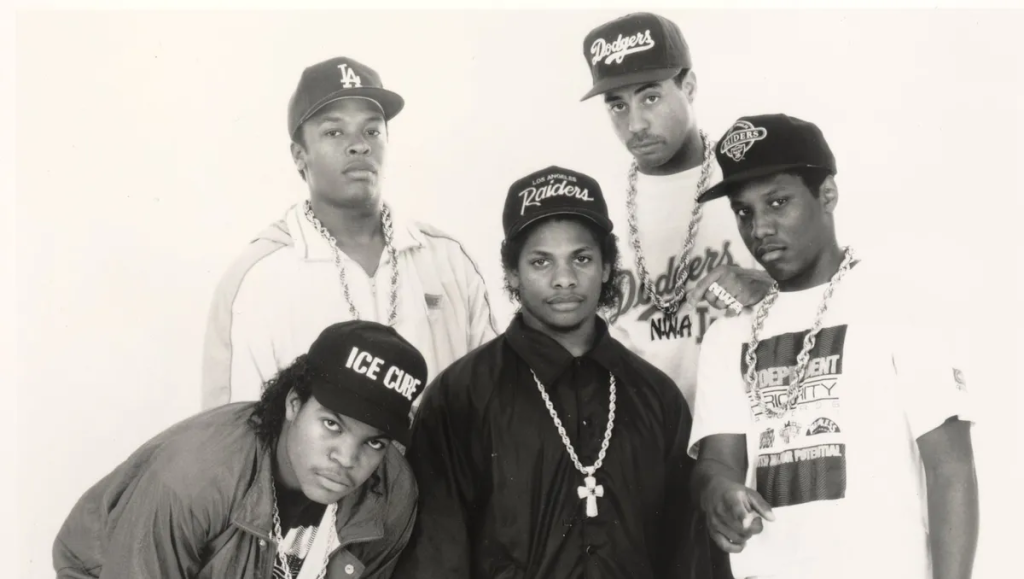
He began writing rhymes in his teens, eventually partnering with Dr. Dre and forming the group C.I.A. in 1986. Just one year later, he joined forces with Eazy-E to create N.W.A., the group that redefined rap with its confrontational realism. With Straight Outta Compton, released in 1988, he helped ignite a revolution in hip-hop, bringing street narratives to the mainstream.
Going Solo, Going Global
By 1989, Cube embarked on a solo career that produced some of the most influential rap records of all time. His debut, AmeriKKKa’s Most Wanted, combined his West Coast style with East Coast production, bridging regional divides in hip-hop.
Follow-up albums such as Death Certificate (1991) and The Predator (1992) tackled racism, police brutality and economic inequality, using music as a vehicle for both entertainment and a powerful message.
His catalog expanded into club anthems like It Was a Good Day, political statements like Black Korea and aggressive tracks like Check Yo Self. Over time, his discography became a soundtrack for West Coast hip-hop and a chronicle of the social and political challenges facing Black America.
In addition to his elevated role in music, Cube took Hollywood by storm, writing and starring in Boyz n the Hood (1991), creating the Friday series, and appearing in blockbusters like Barbershop and Are We There Yet? broadening his music and influence on a global level.
Truth to Power Tour: A Multimedia Experience
The “Truth to Power Tour: Four Decades of Attitude” is a unique opportunity to witness Cube’s brilliance, while being reminded of his legacy. With cinematography woven into the performance, it exceeds a standard rap concert. The show takes audiences on a trip through the socio-political turbulence that has plagued marginalized communities, and highlights systemic reasons for increased gang activity in urban areas.
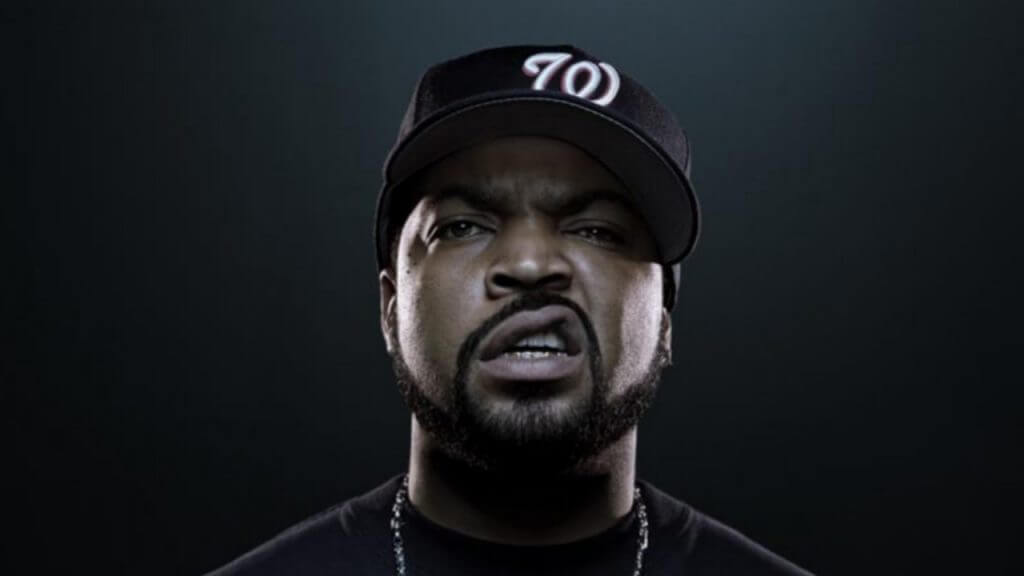
Reciting rhymes from four decades requires stamina, and the rapper proved he has plenty. Each phase of the concert featured several songs, with documentary-like breaks in between.
The stage itself was a monstrous , multi-level set that Cube climbed and commanded with ease, shifting levels as he transitioned from era to era of his career. Screens projected historical footage, stylized graphics and cinematic backdrops that paired flawlessly with the lyrics, adding weight to the passionate delivery of each verse.
Even though the production was massive, the messaging stayed focused on showing why these songs still matter. Tracks from the N.W.A. days carried the same rebellious tone and echoed themes that remain relevant today, while solo anthems like Today Was a Good Day delivered a feel-good vibe and reflections on better times.
A Star-Studded Event
“Truth to Power” revealed a league of Cube superfans who cheered at the opening notes of Check Yo Self and No Vaseline. During You Know How We Do It, the celebratory tone reminded everyone of the longevity of Cube’s catalog.
Special guests Little Eazy-E, WC and Scarface made surprise guest appearances, solidifying the West Side Connection. With hip-hop’s heavy-hitters reminding the crowd of the historic weight of the tour, they created a sense of reunion, paying homage to an era that lives on in the hearts of listeners.
The “Truth to Power” Tour was an artistic statement that proves Cube is still at the top of his game. Despite the consistent pacing of the two-hour show, the rapper didn’t rush or miss a step. Each track was delivered with precision, and each cinematic segue was intentionally timed.
Four decades into his career, his energy was infectious, and his gratitude was endearing. He thanked the crowd for its welcoming cheers and support, repeating “Thank you,” with a smile.
Most importantly, the night was a reminder that gangster rap’s critics were wrong to dismiss it as nihilism. The narratives throughout the performance underscored the irony that social conditions—not music—create cycles of violence and despair. Cube’s music, framed against that backdrop, remains both documentation and defiance.
Still Standing
Systemic inequities have long plagued low-income communities and subjected a disproportionate number of Black and Brown Americans to cycles of poverty and violence. Gangster rap derived from the experiences of men and women who witnessed drug sales and use, gang violence and more. The creative expression used in response to violence has drawn criticism from those who are offended by the lyrical content, calling for rappers to tone down the message while the conditions remain.
To speak truth to power means to confront unfair systems and expose injustice. Cube’s coast-to-coast tour is a platform that allows him to remind audiences of his four-decade legacy of speaking truth to power while sharing knowledge, confronting oppressive systems and standing tall as a masterful storyteller and a voice for the people.
Editor’s note: For show dates and tickets to the “Truth to Power” Tour, visit https://icecube.com/tour/.

