
U.S. Military Strikes in Venezuela; Maduro Captured
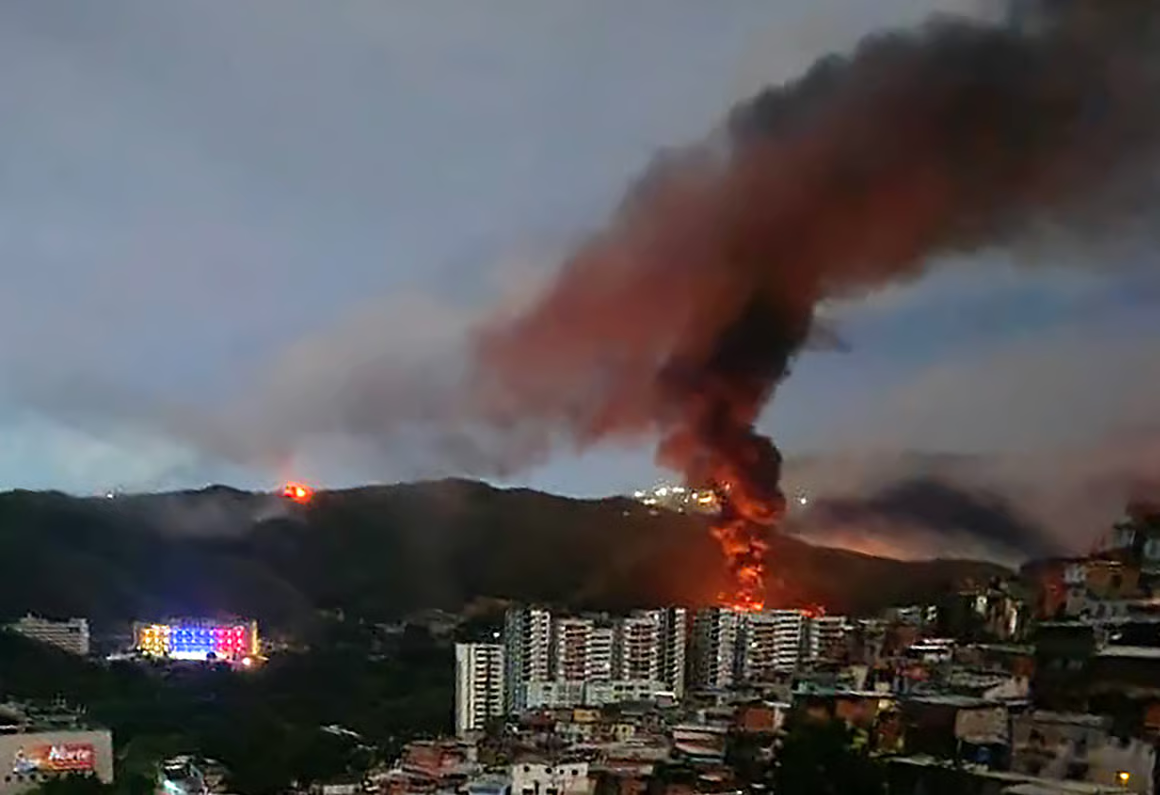
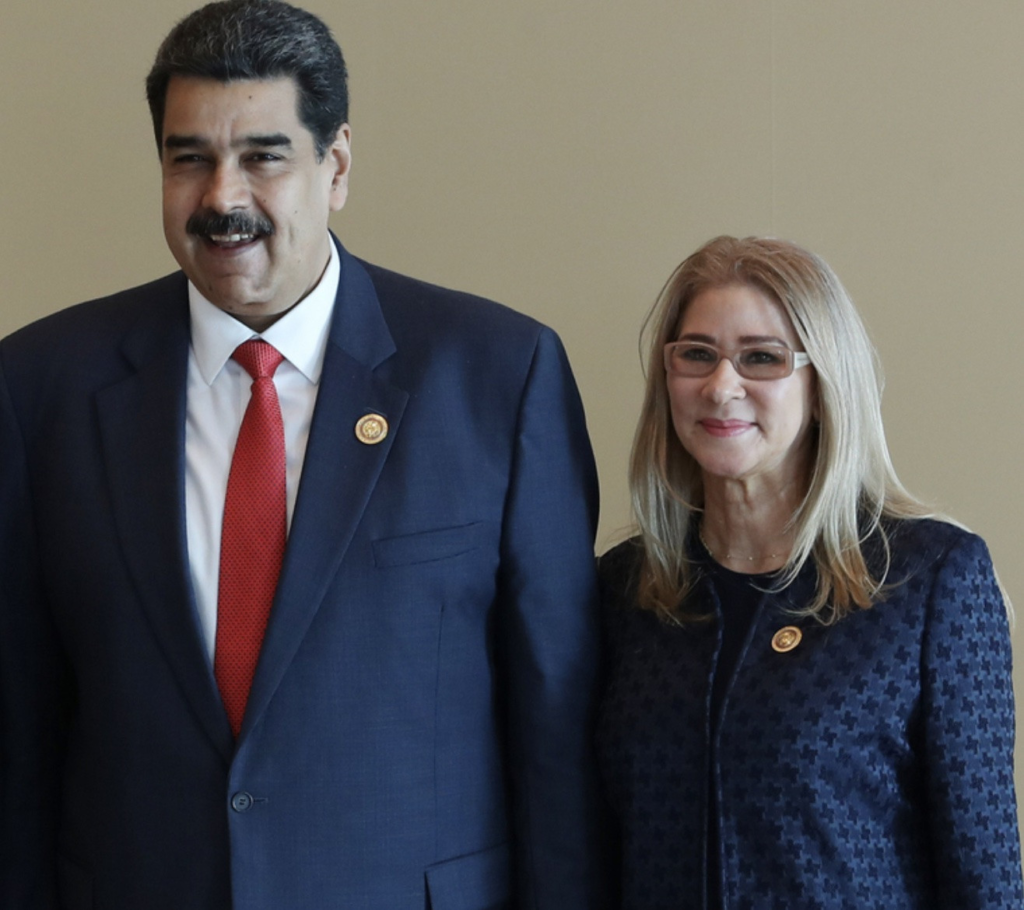
The United States launched a dramatic military operation early Saturday against Venezuela’s government. The Jan. 3 attack targeted the capital and other key locations, with U.S. officials announcing that President Nicolás Maduro and his wife, Cilia Flores, had been captured.
The unprecedented action marks a stark escalation in tensions between Washington and Caracas. Without congressional approval, it raises serious questions about legality, regional stability and the future of Venezuela after more than two decades of political and economic crisis.
A Nation in Crisis
Venezuela’s modern instability traces to the late 20th century. In 1998, Hugo Chávez, a charismatic former paratrooper, won the presidency after campaigning to uplift the poor and assert state control over oil wealth.
Chávez implemented a self-declared Bolivarian Revolution, expanding social programs while consolidating power and clashing with private industry and foreign investors. By the time of his death in 2013, Venezuela’s economy was heavily dependent on oil exports, with diminishing diversification.

Maduro, Chávez’s chosen successor, assumed office amid plunging oil prices and economic contraction. Under Maduro, Venezuela experienced runaway inflation; shortages of food and medicine; and collapsing public services. Human rights groups and democratic institutions denounced the country’s government, declaring its elections as neither free nor fair and accusing the government of repressing opposition and curtailing press freedoms.
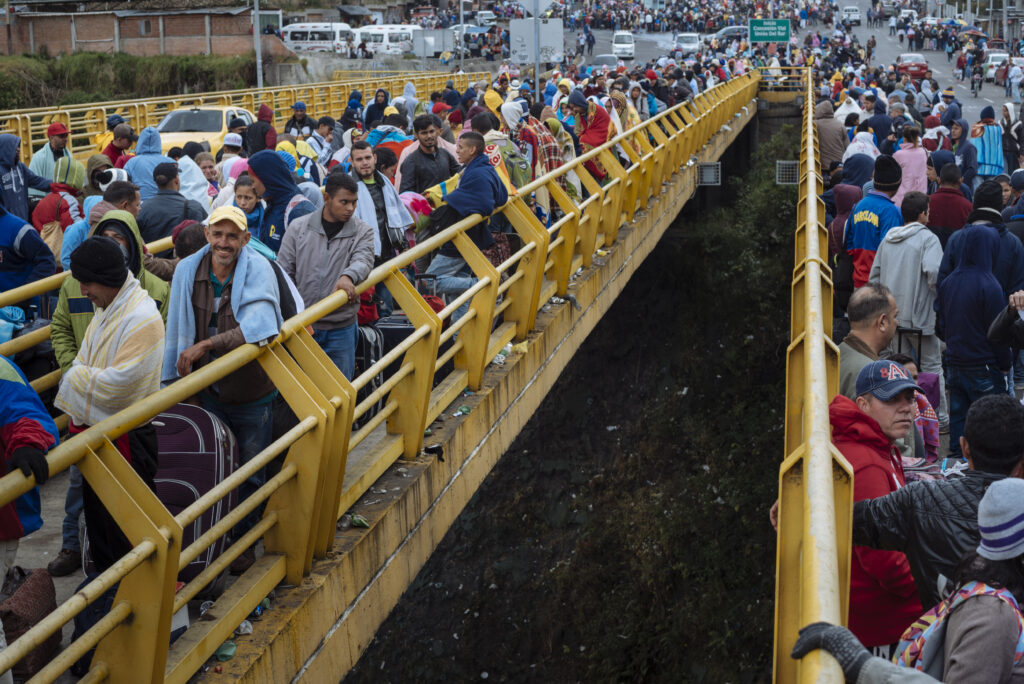
Millions of Venezuelans fled the crisis, creating one of the largest migration flows in the Western Hemisphere, with communities spreading across Latin America and into the U.S.. Notably, mass migration created overwhelm at the Southern border of the U.S. in 2022, resulting in bussed shipments of people being delivered to cities across the country, including Colorado.
Efforts at political negotiation over the past decade yielded limited progress. Sanctions, domestic protests and international pressure failed to bring enduring institutional reform.
By 2025, the Maduro government, accused by Washington of drug trafficking and authoritarianism, faced near-universal nonrecognition by U.S. officials. After months of escalation, the tension has devolved into open conflict.
From Naval Pressure to Bombs
In recent months, U.S. military presence near Venezuelan waters increased drastically. The Trump administration, framing its actions as part of an aggressive anti-drug campaign, moved warships into the Caribbean and Pacific. They conducted strikes against vessels it said were carrying narcotics tied to Venezuelan networks. Some strikes resulted in fatalities and drew scrutiny from international law experts.
On Dec. 29, 2025, the U.S. acknowledged a strike against a drug boat loading facility in Venezuelan territory, though government agencies declined independent confirmation. That operation, framed by the White House as a counter-drug initiative, reflected growing U.S. impatience with the Maduro government’s refusal to negotiate.
At approximately 2 a.m. local time Saturday, multiple explosions were reported in Caracas and low-flying aircraft sounded over government and military installations. Within hours, President Donald Trump announced that Maduro and his wife had been taken into custody and flown out of the country aboard a U.S. warship. Trump said the United States would temporarily govern Venezuela to ensure a “safe and proper transition” and suggested U.S. involvement in the country’s oil sector.
International and Domestic Reactions
The military action has drawn divided reactions both inside Venezuela and internationally.
In Caracas, some residents celebrated news of Maduro’s capture. Venezuelan opposition leader María Corina Machado said, “The hour of freedom has arrived,” and called for a transitional government to be installed immediately. Other citizens in the capital and Venezuelan communities abroad have expressed cautious optimism, seeing the event as a possible end to decades of hardship.
However, supporters of the Maduro government decried the strikes as an illegal invasion. Demonstrators in Caracas chanted for Maduro’s return, and Venezuelan officials described the operation as a “kidnapping” of their president.
International responses have been equally mixed. European Commission President Ursula von der Leyen urged respect for international law and a democratic transition, while leaders in Chile and Colombia voiced concern about regional stability. Iran’s foreign ministry condemned the U.S. action as a violation of sovereignty, and Cuba labeled it a “criminal attack.”
Congressman Jason Crow, a former paratrooper and Army Ranger who serves on the House Permanent Select Committee on Intelligence and House Armed Services Committee, released a statement in response to the military action.
“After decades of failed conflicts, trillions of taxpayer dollars spent and thousands of lives lost, Americans are struggling to get by and are exhausted by endless wars,” he says.
“It’s true that Maduro is a brutal dictator. It’s also true that not every problem is ours to fix. But now this one is…We have to prevent this from spiraling into another nation-building disaster.”
U.S. Political Divides and Legal Questions
Within the United States, lawmakers expressed contrasting views. Trump’s Republican allies largely defended the operation as a legitimate exercise of executive authority. Despite the lack of formal congressional authorization, they cite national security and anti-narcotics objectives as an appropriate use of the president’s power. Democrats criticize the absence of oversight and warn that the intervention could set a dangerous precedent under international law.
Legal scholars and foreign policy analysts have raised questions about the justification for military action inside a sovereign state absent an imminent threat or U.N. Security Council mandate. Critics argue that the strikes, especially following weeks of vessel seizures and naval blockades, may violate maritime and international conventions.
Global Stakes: Allies and Implications
Venezuela’s alliances have historically included Russia, China, Iran and Cuba, which supported the Maduro government both politically and economically.
Caracas’s relationships with these states have provided alternative avenues for oil trade, military cooperation and diplomatic backing. A U.S. intervention of this scale risks broader geopolitical tensions, potentially heightening rivalries with nations opposed to American influence in Latin America.
China, which accounts for a significant portion of Venezuela’s oil exports, and Russia, a key supplier of arms and credit, have not yet issued formal responses to Saturday’s developments. Analysts caution that the absence of direct backlash may not indicate acquiescence and could signal a recalibration of strategic interests.
The Risk Ahead
As Venezuela grapples with the immediate aftermath, the country faces uncertainty. Governance structures have been disrupted, public services remain fragile and millions of migrants abroad watch anxiously.
The international community will likely debate the legal and ethical dimensions of the U.S. intervention for months, even as Venezuelans on the ground have mixed reactions. Whether the operation leads to a lasting peace and reconstruction or deepens fractures that have long afflicted Venezuela remains unclear.
For now, the world watches a nation at a critical juncture, caught between decades of turmoil and an unpredictable new chapter.

