
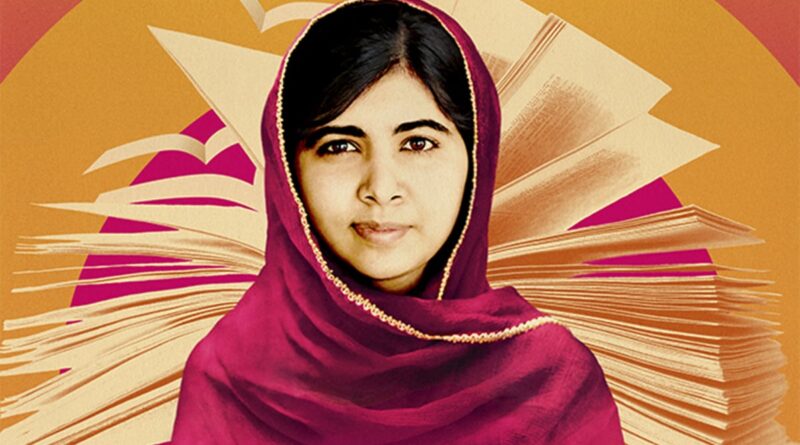
Malala Yousafzai’s Finding My Way Denver Stop: A Review
Moderated by Lilly Singh, the book tour stop offered intimacy, inspiration and insights with one of the world’s greatest human rights advocates.
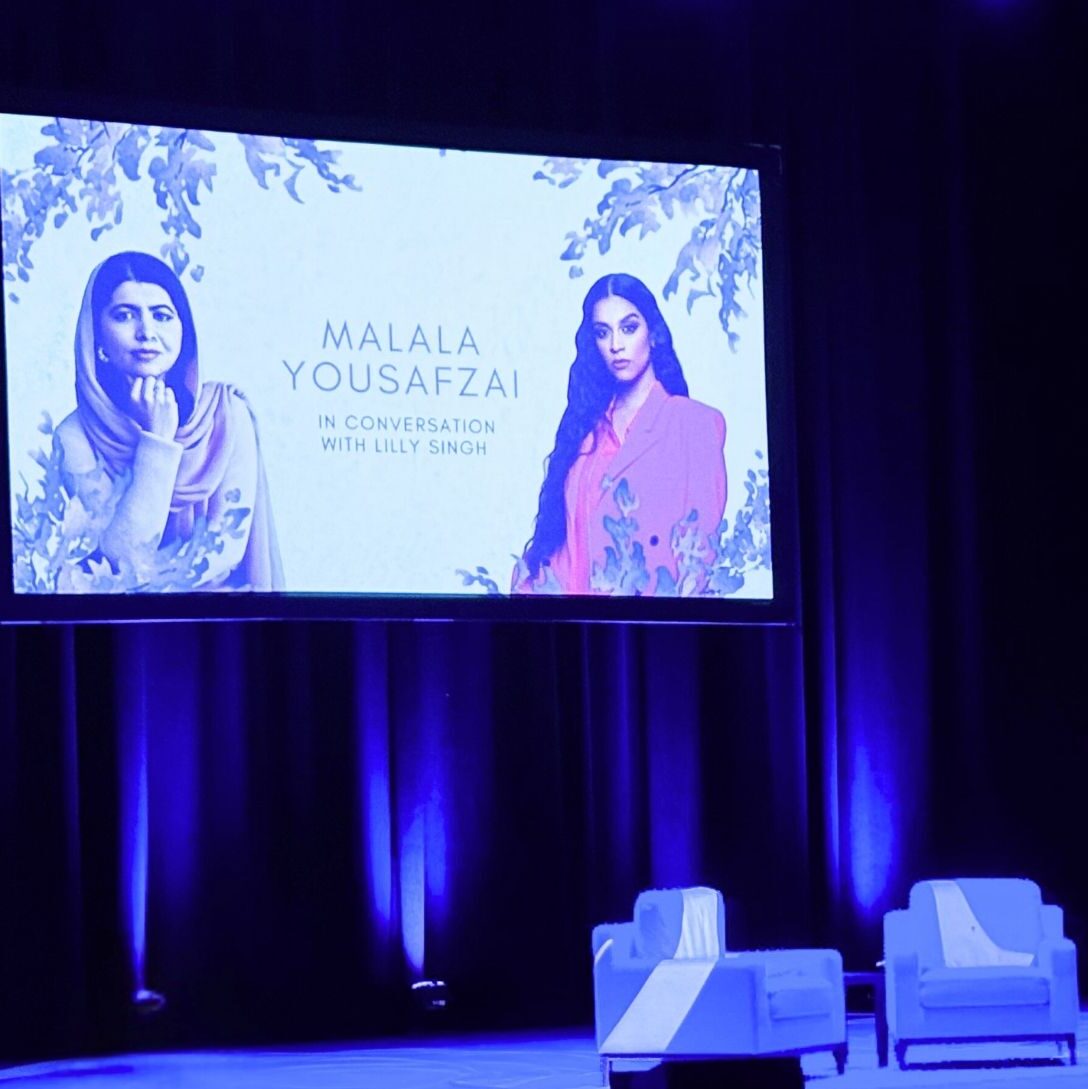
On Monday evening at the historic Paramount Theatre in downtown Denver, the globally renowned activist and author, Malala Yousafzai, sat down for a live conversation as part of her national book-tour for Finding My Way.
Moderating the discussion was celebrated entertainer and writer, Lilly Singh. The part-owner and Chief Hype Officer of the Toronto Tempo brought her signature warmth and energy to the stage, while speaking to Yousafzai about her recently released memoir. The result was an evening that balanced the weight of global issues with the quiet power of personal story, offering the audience a rare glimpse into the woman behind the international intrigue.
From Headline to Heart: Malala Meets the Audience
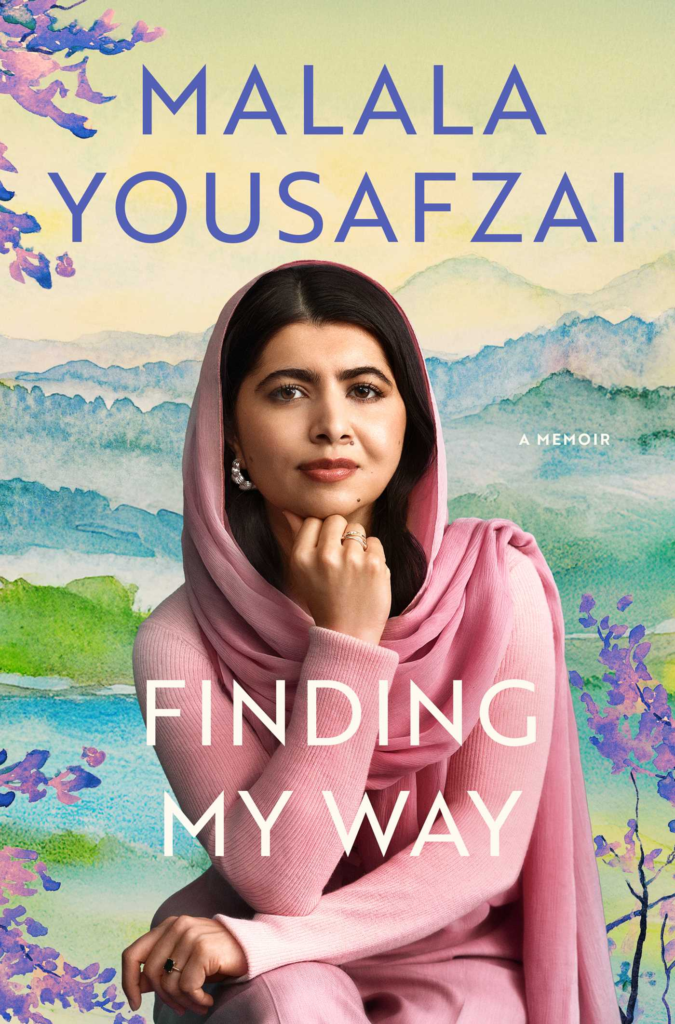
Yousafzai, soft-spoken yet undeniably powerful, began the hour with a moment of self-awareness.

“Being shot by the Taliban was one thing that happened to me,” she said, “but it is not the sum total of me.”
Wholeness was a central theme of the conversation. The global leader acknowledged that the world may know her as the “girl who stood up for education,” but that she also cares deeply about being known as a young woman with friendships, hopes, fears and passions.
She detailed how, after the attack in 2021, friendships helped her heal. Her time at university shifted her focus from simply making friends, which was hard in the years post-recovery, to forging meaningful purpose. She also explained that her relationship with her husband, Asser Malik, has been a catalyst for growth and deep personal reflection.
Though her recollection of growing up in Pakistan under Taliban rule is marked by pain stemming from the deprivation of girls’ education, she has managed to move past the darkest moments. She laughed at the memory of how awkward it was to make new friends once her identity as “Malala” preceded her in the classroom. She also shared how her determination to excel socially framed her journey and provided personal freedom for the first time.
When Singh asked why Yousafzai wrote Finding My Way, she answered, “I wanted to move beyond the headline – beyond being the youngest Nobel laureate or the girl who was shot.”
“I wanted to introduce the other parts of me: the student, the daughter, the friend, the wife, the human who gets panic attacks and goes to therapy.”
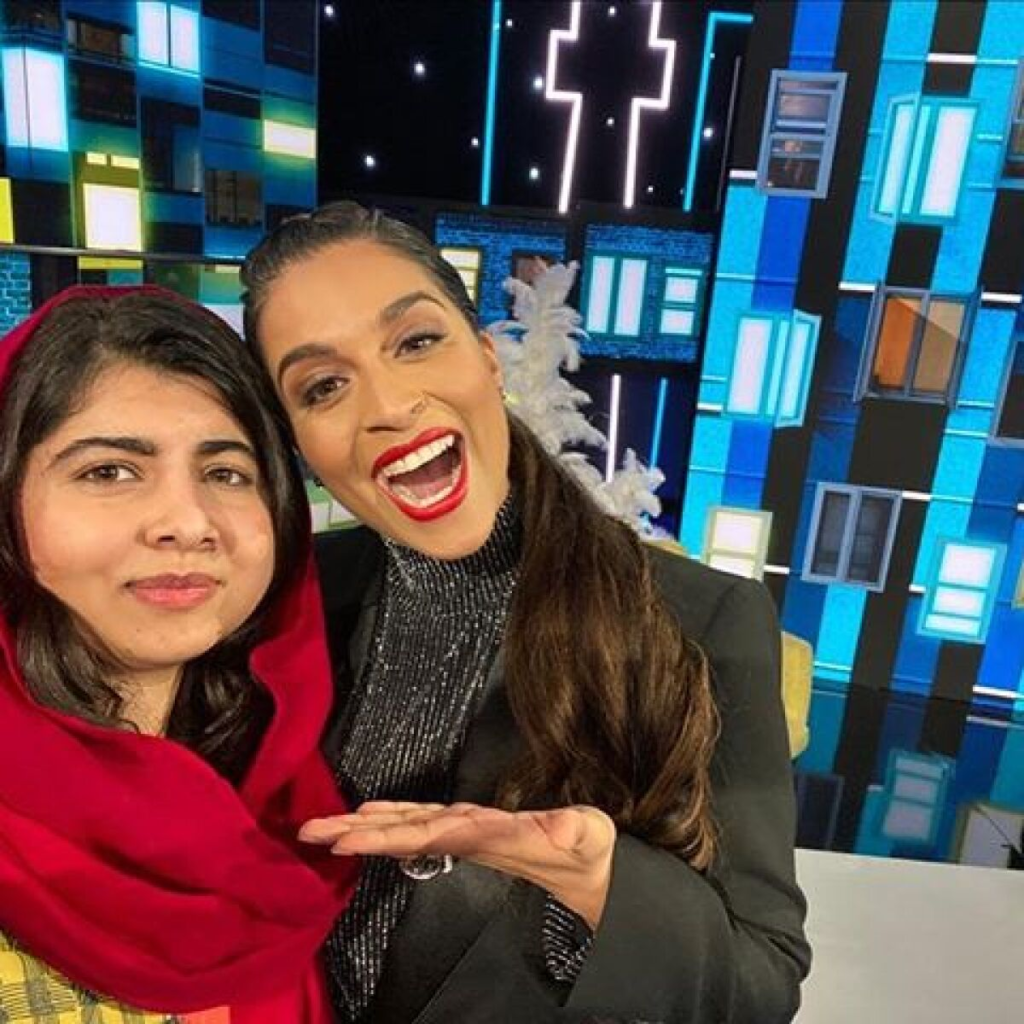
Lilly Singh Shines a Light
Singh kept the conversation light and engaging throughout the evening, without skirting substance.
A Canadian comedian-turned-media personality, she has over a decade of experience in digital storytelling, global audiences and bridging serious topics with authentic ease. In Denver, she brought out the humor, even breaking from the cue cards and asking questions of her own.
Singh’s mastery and onstage confidence was evident. She nudged Yousafzai into revealing less-seen chapters such as late nights spent studying, the anxiety of being in the spotlight and the awkwardness of first love, all while circling back to the enduring mission for girls’ education around the world.
Healing, Education and Living as an Icon
Throughout the evening, Yousafzai’s journey unfolded in three intersectional themes:
Healing and mental health are critical components of her life story. She spoke candidly about panic attacks triggered by post-traumatic stress during her college years. After suffering the internationally-known event years ago, her challenges are an aspect of her story that global admirers might not have known.
“Therapy was taboo in my culture,” she said, “but I found that to heal I had to speak, not just stand silent.”
Yousafzai spoke of her early life in Pakistan under Taliban rule, where girls were prevented from reading and learning. She connected that past directly with the current state of Afghanistan, where women are once again barred from education. It was not merely a historical anecdote, but a call to consciousness regarding suffering around the world which will continue unless the global community takes action to end it.
The audience leaned forward when Malala described balancing her global advocacy with everyday life. She shared her experiences attending classes at Oxford, trying to keep up with homework, being a roommate and navigating the world of dating.
Q&A and Audience Connection
When Singh introduced a break in the conversation and an opportunity to ask questions during an “Advice from Malala” segment, the lights came on and the tone shifted. Audience members asked about balancing relationships with friendships, the hardest moment of her healing, and who she looks to for inspiration.
Her greatest inspirations, she said, are the women and people in her life who surround her with love and prayers. She encouraged attendees to reflect on the everyday people and their support, love and wisdom.
The conversation featured a blend of global and personal dialogue, with Yousafzai doubling down on her advocacy for education and equity. She showed the audience why it’s important to anchor that work in human experience. Instead of rejecting her platform when it began to feel heavy, she embraced all aspects of herself and her journey to make an even greater impact.
Singh’s moderation was a perfect blend of timing and intention. She was engaging and respectful, creating space for Malala to speak as a woman, not just a symbol.
Finding the Collective Way
Finding My Way stands out as a must-read. In addition to offering a glimpse into the lesser-known parts of Malala’s story, it invites readers to explore and share their own.
The journey from childhood to adulthood includes navigating personal challenges and incorporating lessons into a changing identity. The coming-of-age memoir contains meaningful messages for people of all ages. It grants permission to be human, move past moments of pain and live with the belief that change is possible.
Under the glowing lights of the Paramount, the myth of Malala was made real. Her global mission was restated boldly, with the gentleness of a true giant and a reminder that our humanity connects us.
Editor’s note: Finding My Way is available for purchase at https://www.simonandschuster.com/books/Finding-My-Way/Malala-Yousafzai/9781668054277.

